
Travel Tips
Lorem ipsum dolor sit amet, consectetur adipiscing elit.
So you're thinking about getting a day gecko. Maybe you saw one of those stunningly bright green Phelsuma grandis at a reptile show, or you've been scrolling through Instagram feeds full of tropical vivariums. The colors are incredible – almost unreal. And the big question pops into your head: are day geckos high maintenance? Can a regular person with a job and a life actually keep one of these living jewels alive and healthy?
I've been keeping a few different Phelsuma species for about seven years now, including my main man, a giant Madagascar day gecko who thinks he owns my living room. Let me tell you, the answer isn't a simple yes or no. It's a solid "it depends." Compared to a leopard gecko you can toss in a simple tank with a heat mat? Yeah, day geckos need more. Compared to a chameleon that requires a doctorate in misting systems? They're a bit easier.
This isn't a sugar-coated sales pitch. We're going to dig into the dirt, the costs, the daily routines, and the occasional headaches. By the end, you'll know exactly what you're signing up for.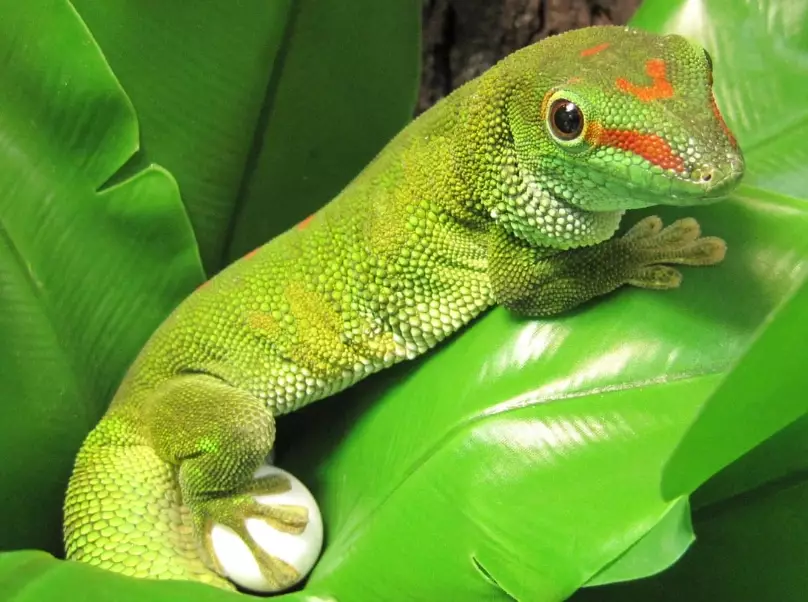
If we had to put them on a spectrum from "set it and forget it" (like a corn snake) to "you are now a full-time zookeeper," day geckos sit firmly in the middle. They are moderate-maintenance reptiles.
But here's the thing – once that slice of jungle is dialed in, the daily routine isn't too bad. It's the initial setup and the understanding of their needs where most people stumble. The phrase "high maintenance" often comes from folks who underestimated the startup cost and complexity.
When we ask "are day geckos high maintenance," we're really asking about a few key areas. Let's unpack them one by one.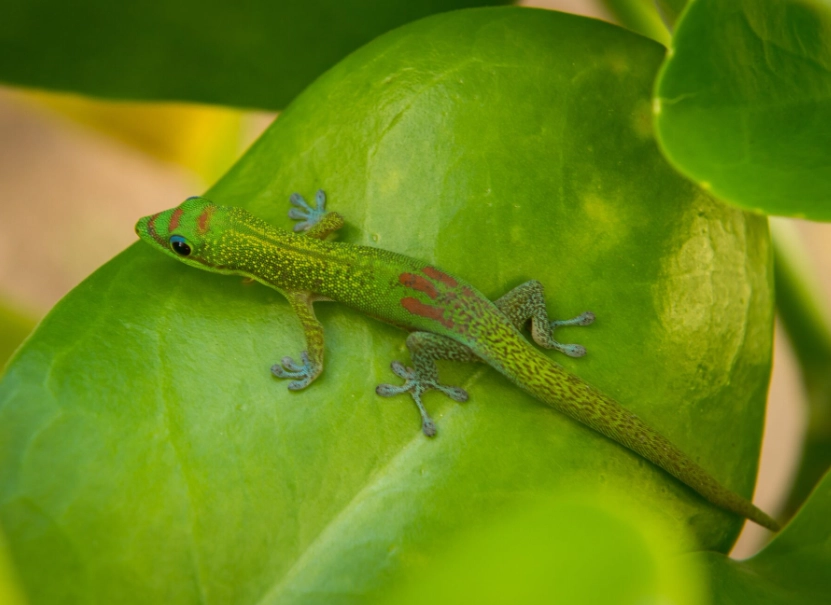
This is the biggest upfront investment, both in money and effort. You can't skimp here. A day gecko's enclosure isn't just a box; it's their entire universe.
I made the switch to bioactive for my giant day gecko after two years of wiping down glass every other day. The difference is night and day. The tank looks alive, smells like a forest, and I only do a major breakdown once a year. But setting it up took a full weekend and a not-insignificant chunk of change.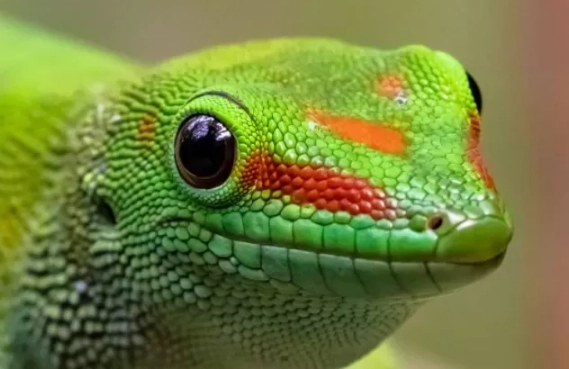
This is the technical heart of day gecko maintenance.
| Requirement | What You Need | Maintenance Level | Why It's Crucial |
|---|---|---|---|
| Temperature | Basking spot: 85-90°F (29-32°C). Cool end: 75-80°F (24-27°C). Night drop to 70-75°F (21-24°C). | Moderate | Needed for digestion, activity, and overall metabolism. Requires a thermostat-controlled basking lamp (like a halogen) and monitoring. |
| Lighting | Full-spectrum UVB light (T5 HO 5.0 or 6% linear bulb). Strong plant grow lights if bioactive. | Moderate-High | UVB is NON-NEGOTIABLE for calcium metabolism and preventing Metabolic Bone Disease (MBD). Bulbs must be replaced every 6-12 months, even if they still light up. |
| Humidity | 60-80% range, with spikes up to 100% during misting. A drop at night is okay. | Moderate-High | Essential for hydration, shedding, and respiratory health. Requires manual misting 1-2x daily or an automated misting/fogging system. |
The humidity part is what trips people up. In a dry climate, keeping humidity up can be a battle. You'll be misting. A lot. I finally broke down and bought a programmable misting system. It was a game-changer for consistency and for my sanity when I had to travel for work. But it's another piece of equipment, another thing to clean (nozzles clog), and another cost.
Are day geckos high maintenance when it comes to food? Not really, but it requires planning.
So you need a cricket keeper, roach colony, or regular trips to the pet store. You need to remember to dust. Forget the supplements, and you're on a fast track to vet bills.
Some species, like the giant day gecko, also enjoy licking fruit mixes (like Repashy Crested Gecko Diet) as an occasional supplement. Mine goes nuts for the mango flavor. It's a nice way to add variety and hydration.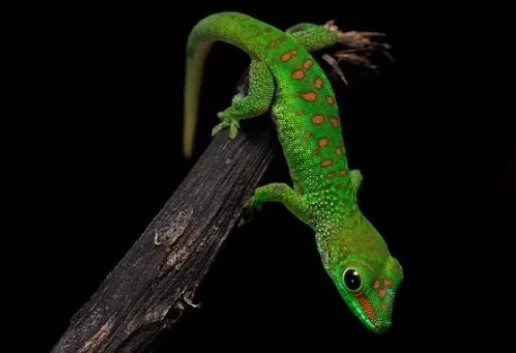
Day geckos are famous for being "look, don't touch" pets. Their skin is incredibly delicate and can tear if handled roughly. They are also lightning fast and excellent escape artists.
This actually lowers maintenance in one way but increases it in another.
You don't have to worry about regular handling sessions for socialization. But it means any health check or cage cleaning requires careful planning. You need to be able to inspect them from a distance for signs of weight loss, stuck shed (especially on toes), or mouth rot. Catching them for a vet visit is stressful for everyone involved. I've had to gently herd mine into a deli cup more than once – it's a heart-pounding operation.
Let's talk money, because time is one thing, but your wallet feels it too. Here's a realistic breakdown for setting up for one medium-sized day gecko (like a Phelsuma grandis).
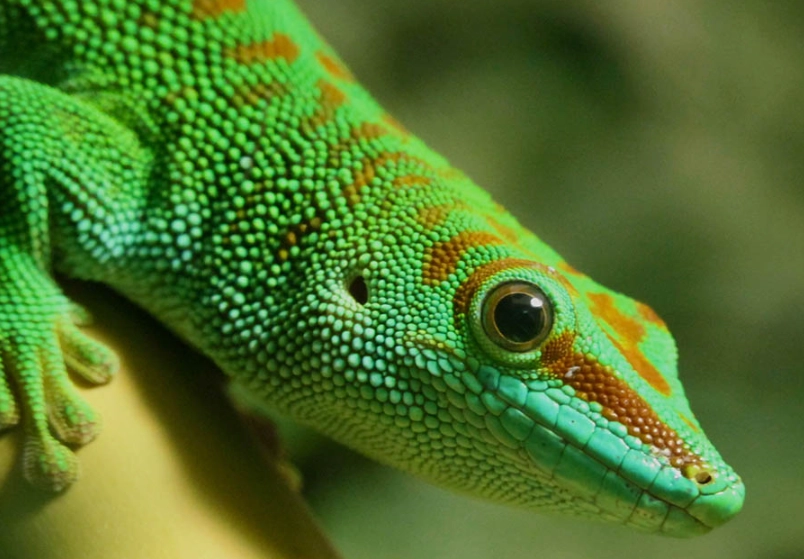
So, are day geckos high maintenance financially? The initial outlay is significant. The ongoing costs are manageable if you budget for them. It's not like a dog with recurring $80 bags of food, but it's not free.
Not all day geckos are created equal. Asking if day geckos are high maintenance is like asking if dogs are – a Chihuahua and a Husky have very different needs. Here's a quick comparison of popular species.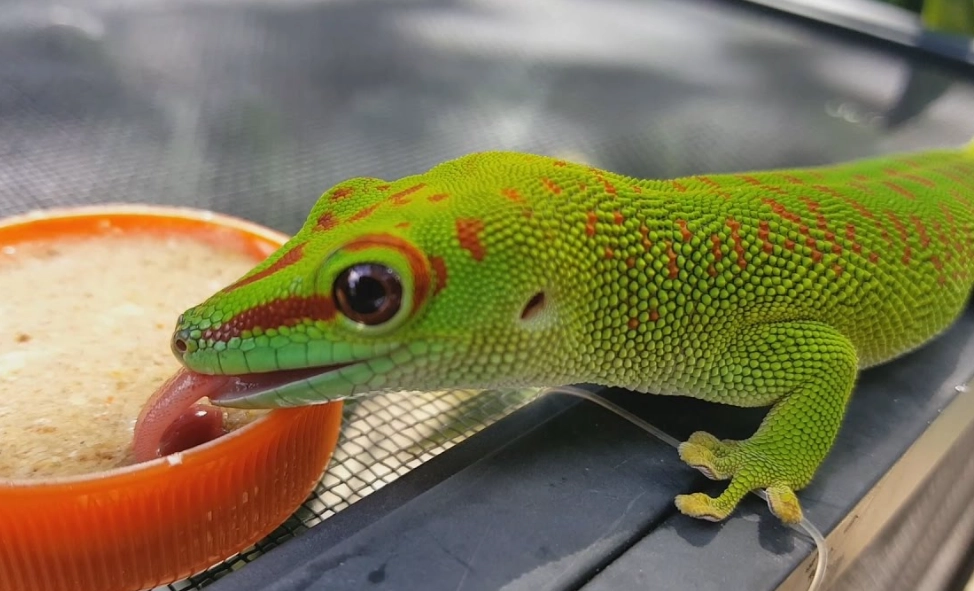
| Species (Common Name) | Size | Relative Maintenance Level | Key Notes & Why |
|---|---|---|---|
| Phelsuma laticauda (Gold Dust Day Gecko) | Small (4-5") | Low-Moderate | The classic "beginner" day gecko. Smaller size means smaller enclosure needs, but all core requirements (UVB, humidity, heat) still apply. Can be more nervous. |
| Phelsuma grandis (Giant Madagascar Day Gecko) | Large (10-12") | Moderate-High | My personal favorite, but needs large space, more food, and can be more assertive. Their size makes everything (enclosure, food bill) bigger. |
| Phelsuma klemmeri (Neon Day Gecko) | Small (3-4") | Moderate | Stunningly beautiful but more delicate. Often prefers slightly lower temperatures and higher humidity. Can be shy and requires dense planting. Not for absolute beginners. |
| Phelsuma standingi (Standing's Day Gecko) | Medium (8-10") | Moderate | Hardier than some, adaptable. A good "step-up" species after experience with a smaller Phelsuma. |
See the pattern? Smaller doesn't always mean easier. Sometimes the tiny ones are more fragile and require more precise conditions.
Things will go wrong. Being prepared is part of the maintenance.
Let's be brutally honest about your life.
These questions matter more than any care sheet. A day gecko is a long-term commitment (they can live 10-20 years in captivity). The maintenance isn't just daily chores; it's a two-decade responsibility to maintain a specialized environment.
Here's my honest take after years in the hobby.
Day geckos are not "high maintenance" in the sense of demanding constant, hands-on attention like a parrot or a puppy. You won't be walking them or teaching them tricks. Their daily routine, once established, is maybe 15-20 minutes (misting, feeding, quick visual check).
However, they are unquestionably "high-involvement" in terms of initial setup complexity, environmental precision, and required knowledge. You are an ecosystem manager. The margin for error with things like UVB and humidity is smaller than with many other common reptiles.
They are intermediate-level pets.
If you're a complete beginner to reptile keeping, I'd honestly point you towards a crested gecko or a leopard gecko first. Get the basics of reptile care, supplements, and cleaning down with a more forgiving species. Then, when you're confident and your wallet has recovered, step up to the dazzling world of Phelsuma.
If you're an experienced reptile keeper looking for a stunning display animal that thrives in a beautiful planted vivarium, and you understand the importance of climate control, then a day gecko might be your perfect challenge. The maintenance will feel like a rewarding part of the hobby, not a burden.
Seeing a day gecko bask under its lamp, its colors glowing like stained glass, is a unique joy. But that joy is built on a foundation of proper care, which requires consistent, informed effort. So, are day geckos high maintenance? They demand respect for their specific needs. If you're willing to provide that, the reward is a vibrant piece of the tropics in your home.