
Travel Tips
Lorem ipsum dolor sit amet, consectetur adipiscing elit.
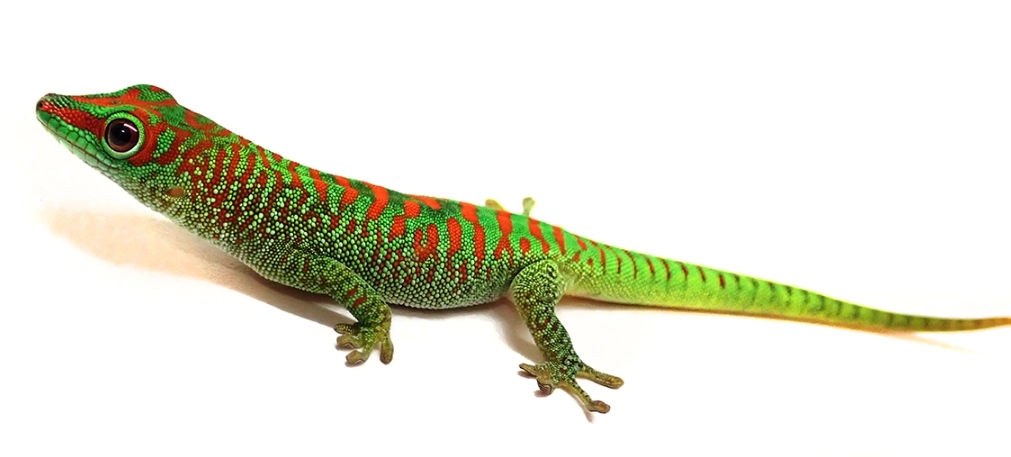
So you've seen pictures. You know the ones. A dazzling, almost unreal-looking lizard, bright green with red speckles, clinging to a leaf or the glass of a terrarium with those incredible toe pads. That's the Giant Day Gecko, or Phelsuma grandis if you want to get scientific. They're probably one of the most photogenic reptiles in the pet trade, hands down. But here's the thing I wish someone had told me before I got my first one: they are not just a decoration. Owning a Giant Day Gecko is a commitment to creating and maintaining a tiny, perfect slice of tropical rainforest in your home. It's more complex than a hamster, I'll tell you that much.
I remember setting up my first enclosure. I was so focused on making it look cool with fancy plants that I completely messed up the lighting and humidity. The poor gecko was stressed for weeks. That experience taught me that beauty in reptiles often comes with a specific, and sometimes finicky, set of rules. This guide is everything I learned the hard way, plus a ton of research from reputable keepers and scientists, all boiled down to help you decide if a Giant Day Gecko is your perfect pet, and if so, how to keep it thriving, not just surviving.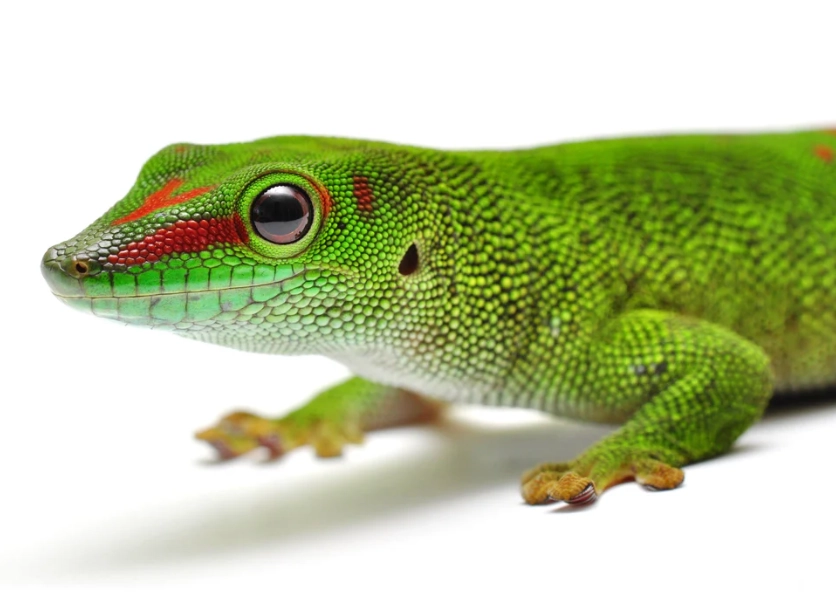
Let's start with the basics. The Giant Day Gecko is the largest species in the Phelsuma genus. We're talking about a lizard that can grow from a cute, two-inch hatchling to a substantial 10 to 12 inches in total length. They're called "day" geckos because, unlike many other geckos that are nocturnal and ghostly quiet, these guys are up with the sun, bustling around, licking fruit, and being generally fascinating to watch. Their scientific name, Phelsuma grandis, pays homage to the Dutch physician Murk van Phelsum and the Latin word for "large." Fitting.
Their appearance is their main draw. A base color of brilliant emerald or apple green acts as a canvas for a stunning pattern of red speckles, dots, or bars that run from the snout down the back. The eyes are often outlined in a gorgeous blue. But here's a fun fact a lot of care sheets miss: their color can change slightly based on mood, temperature, and health. A stressed or cold Giant Day Gecko might look a bit duller. When they're basking and happy? That's when the colors truly pop.
They are native to northern Madagascar, an island ecosystem that's under severe threat. This origin story is crucial for understanding their care—it's all about replicating that warm, humid, and vertically complex environment.
This is where the rubber meets the road. I see so many forums where people buy one on impulse because it's beautiful, only to struggle with health issues a few months later. The setup is everything.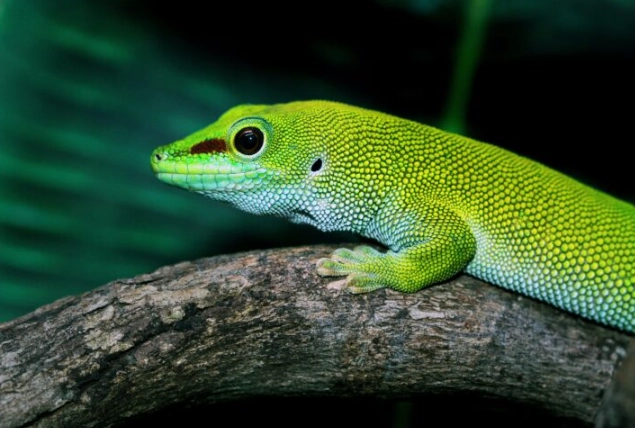
Think vertical. A Giant Day Gecko is an arboreal athlete. A tall terrarium is non-negotiable. For a single adult, the absolute minimum is 18" x 18" x 24" (Height is the most important dimension!), but bigger is always, always better. I upgraded to a 18"x18"x36" for my male, and the difference in his activity level was night and day. Screen tops are great for ventilation, but in drier climates, you might need to cover part of it to retain humidity.
Substrate is another common pitfall. You need something that holds moisture but doesn't stay soggy. A mix of organic topsoil, coconut fiber (like Eco Earth), and a bit of sphagnum moss works wonders. Avoid cedar or pine shavings at all costs—the oils are toxic. And for decoration, live plants are a win-win. They look amazing and help regulate humidity. Pothos, snake plants, bromeliads, and dwarf scheffleras are tough enough to handle a gecko climbing on them. Provide loads of climbing branches, cork bark tubes, and bamboo poles. These geckos love to hide and feel secure up high.
This is the technical heart of Giant Day Gecko care. Get this wrong, and you'll have a lethargic, sickly animal that won't eat or shed properly.
| Parameter | Required Range | How to Achieve It | Why It's Critical |
|---|---|---|---|
| Temperature | Basking Spot: 82-85°F (28-29°C) Ambient Day: 78-82°F (26-28°C) Night Drop: 70-75°F (21-24°C) |
Use a low-wattage ceramic heat emitter or a deep heat projector on a thermostat. Avoid heat mats as they don't effectively heat the air. | Proper digestion and metabolism. A cold gecko won't eat. |
| Lighting | Full-spectrum UVA/UVB light required for 10-12 hours daily. | A linear T5 HO UVB bulb (like Zoo Med ReptiSun 5.0 or Arcadia Forest 6%) covering ~1/3 of the enclosure. | Essential for calcium metabolism and preventing Metabolic Bone Disease (MBD). They bask in the sun in the wild. |
| Humidity | 60-80% daytime, up to 90% at night. | Automatic misting system 2-3x daily, or heavy manual misting morning and evening. A deep substrate and live plants help. | Proper hydration, healthy skin, and successful shedding. |
See? It's specific. Guessing doesn't work here.
Invest in digital hygrometers and thermometers. The cheap analog dials are notoriously inaccurate. I learned this after my analog hygrometer read 70% while a digital one I bought later showed a desiccating 45%. No wonder my gecko's shed was patchy!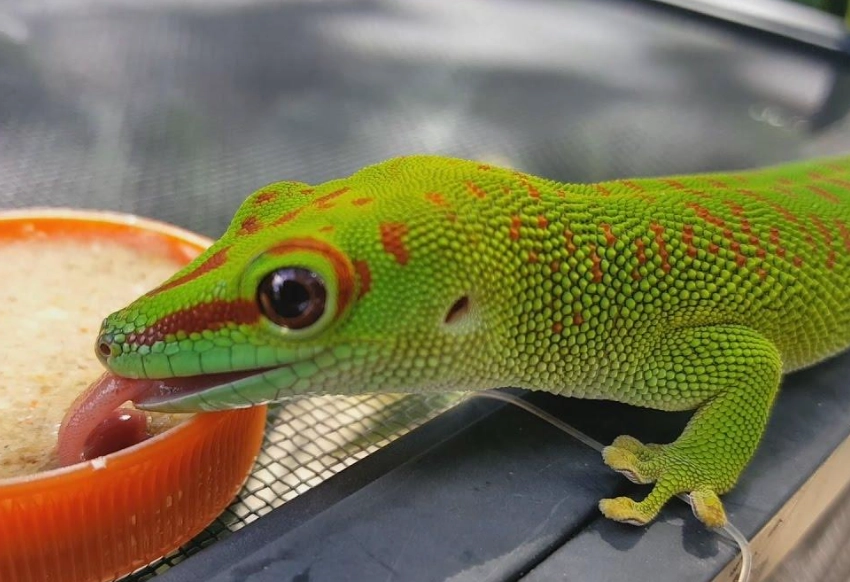
In the wild, a Giant Day Gecko's diet is wonderfully varied. They're opportunistic hunters of insects and avid lickers of nectar, pollen, and soft fruit. Our job is to mimic that.
Staple Insects: Crickets, dubia roaches, and black soldier fly larvae are excellent staples. They should be appropriately sized—no bigger than the space between the gecko's eyes. Always, always gut-load the insects with nutritious veggies (carrots, sweet potato, leafy greens) for 24-48 hours before feeding. And just before you offer them, dust them with a high-quality calcium powder (with D3 if your UVB light isn't super strong). I dust with calcium 4-5 times a week and with a multivitamin once a week.
The Sweet Stuff: This is what makes them unique! They love commercial "gecko diets" like Repashy Crested Gecko Diet or Pangea Fruit Mix. You mix these powders with water to form a smooth, creamy paste. Offer this in a shallow dish 2-3 times a week. You can also offer small amounts of mashed ripe fruit like mango, papaya, or banana as a treat. Watching them lick this up is one of the true joys of keeping them.
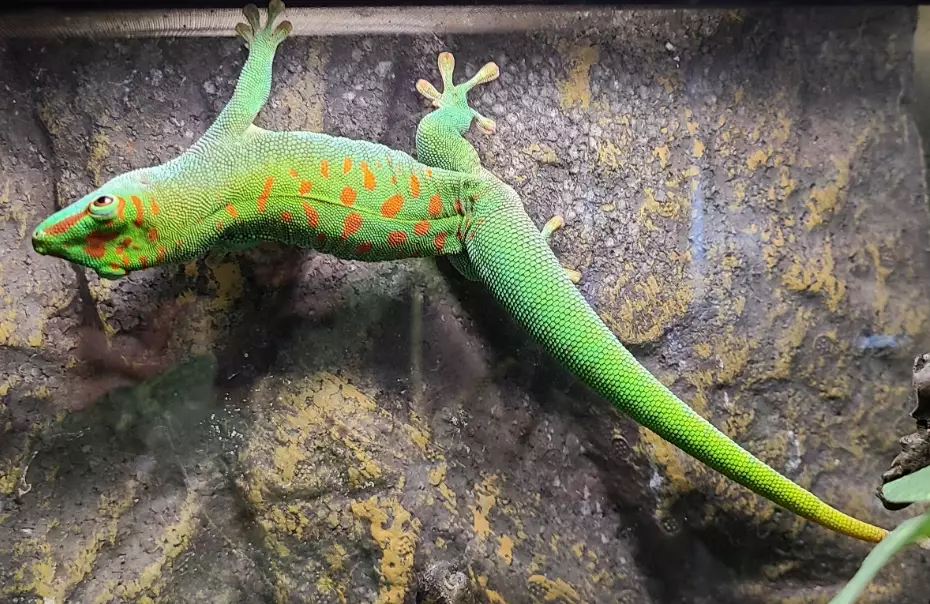
This is a big one, and where a lot of disappointment happens. Giant Day Geckos are look-don't-touch pets. Let me be brutally honest. They are fast, nervous, and incredibly fragile. Their skin is delicate and can tear easily if they panic and try to jump from your grasp (a defense mechanism called autotomy, though it's less common in day geckos than in others).
They are not a pet you take out to cuddle. Some individuals may tolerate very brief, careful handling for enclosure maintenance, but many never will. The primary joy comes from observing their natural behaviors: hunting, licking fruit, interacting with their environment, and displaying their vibrant colors. If you want a reptile you can hold and bond with physically, a bearded dragon or a blue-tongued skink is a far better choice.
That said, they can become accustomed to your presence. Moving slowly around the enclosure, offering food with tongs, and talking softly can help them learn you're not a threat. My gecko used to hide every time I walked by. Now, he often comes to the front glass when he sees me, probably hoping for food. That's a rewarding kind of trust.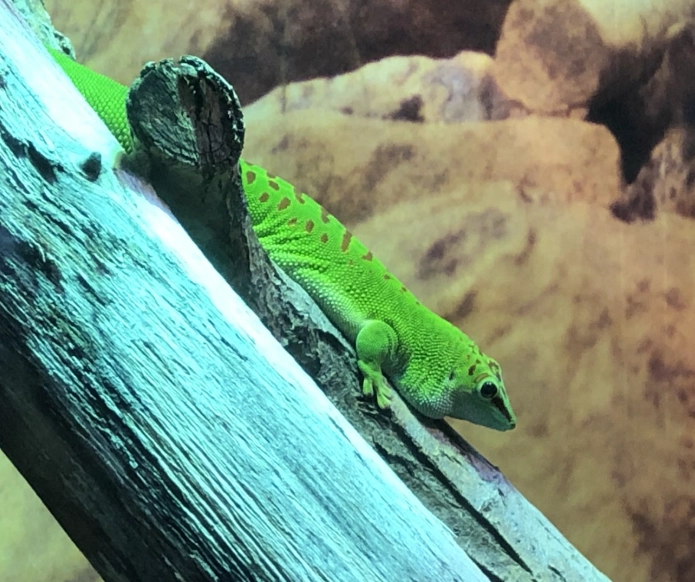
Even with perfect care, things can go wrong. Being able to spot early signs of illness is a responsible keeper's duty.
Finding a good exotics vet before you have an emergency is one of the best things you can do.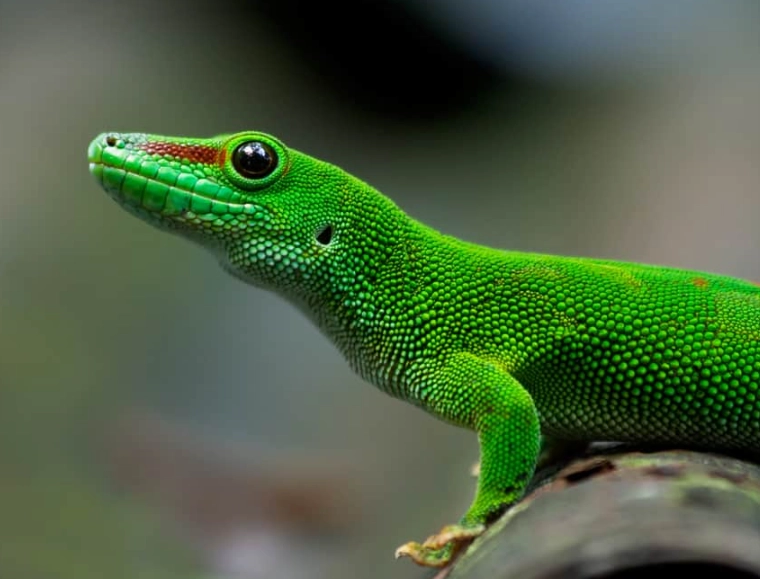
Let's wrap this up. The Giant Day Gecko is an incredible animal. They are living jewels. But they are a project. They demand a specific, controlled environment and an owner who gets joy from creating a ecosystem and observing from afar.
You should get a Giant Day Gecko if: you are fascinated by reptile behavior, you enjoy the technical challenge of perfecting a bioactive terrarium, you have the budget for proper equipment (the startup cost can be $500+), and you're okay with a pet you watch rather than hold.
You should not get a Giant Day Gecko if: you are a first-time reptile owner on a tight budget, you want a handleable, cuddly companion, or you're not prepared to monitor humidity and temperature daily.
If you've read this far and are still excited, then you might just be the right person for a Giant Day Gecko. Do your research, set up the enclosure completely before you bring the animal home, and get ready for one of the most visually rewarding experiences in the reptile hobby. Good luck!