
Travel Tips
Lorem ipsum dolor sit amet, consectetur adipiscing elit.
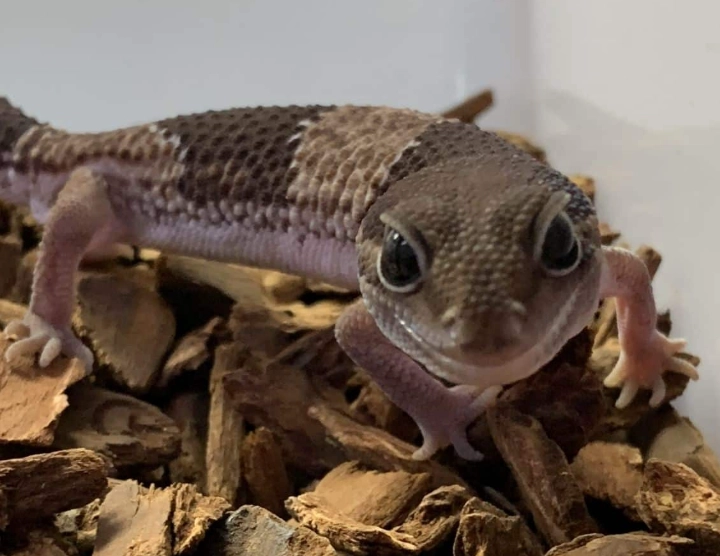
So you're thinking about getting an African fat-tailed gecko, or maybe you already have one staring at you from its tank. One of the first questions that pops into any owner's mind is a simple one: how long is this little guy going to be around? It's a fair question. You're making a commitment, and you want to know what you're signing up for. I remember when I got my first one, "Zeus," I was scouring the internet for a straight answer. The information was all over the place. Some sources said 10 years, others whispered about 20. It was confusing.
Let's cut through the noise. The African fat-tailed gecko lifespan isn't a single number. It's a range, and where your pet falls in that range depends almost entirely on you. Think of it this way: in the wild, their lives are tough. Predators, disease, finding food… it's a struggle. But in your home? That's a different story. You control their whole world. That's a lot of responsibility, but it's also the key to unlocking a long, healthy life for your scaly friend.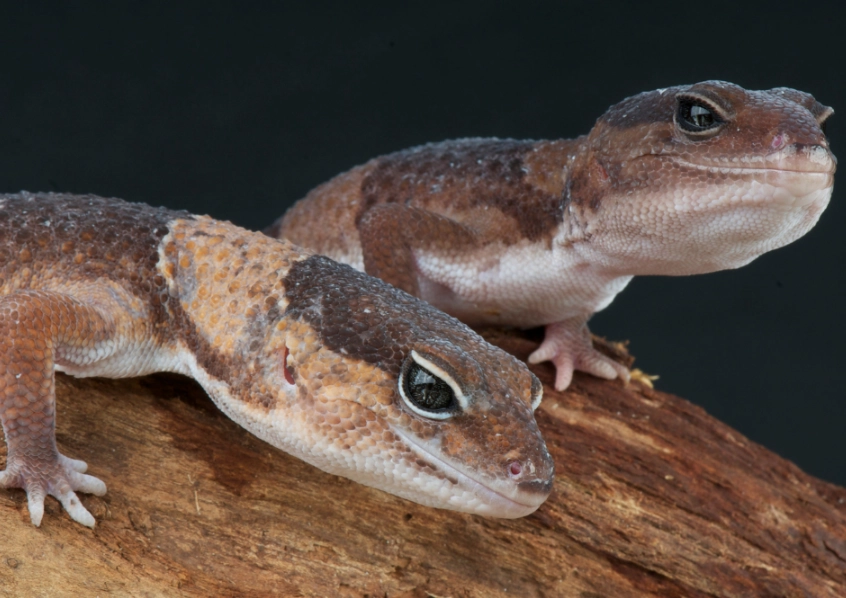
The short answer most people look for is 10 to 20 years. Yeah, that's a huge span. A decade is a big difference. Hitting the upper end of that African fat-tailed gecko lifespan isn't about luck; it's about nailing the care. This guide isn't just about stating a number. It's about understanding all the little things—some obvious, some not—that add up to those extra years. We'll talk about tank setup, diet, common mistakes, and the subtle signs that tell you if you're on the right track.
Alright, let's get down to brass tacks. You want a number. Here's the breakdown you won't find on most care sheets.
In the Wild: Honestly, it's hard to pin down. Life is harsh. Between birds, snakes, other lizards, and the challenge of finding consistent food and water, most wild African fat-tailed geckos (Hemitheconyx caudicinctus) are lucky to see 5 to 8 years. Their survival is a testament to their hardiness, but it's not a life of luxury.
In Captivity as Pets: This is where you come in. With proper care, which we'll define in painful detail later, the average is 15 to 20 years. I stress *average*. I've spoken to keepers who've had them for 22, even 25 years. On the flip side, I've also heard tragic stories of geckos passing well before 10 due to preventable issues. The goal is to be in the group pushing that upper limit.
What does "proper care" even mean? It's not just feeding them crickets. It's a symphony of factors. Genetics play the opening note—you can't change what your gecko was born with. But you conduct the rest of the orchestra: environment, nutrition, and healthcare. A gecko from a reputable breeder focused on healthy lines (check out resources from the Association of Reptilian and Amphibian Veterinarians for finding good breeders) starts with a better genetic hand. Pet store geckos can be fantastic too, but their history is often a mystery.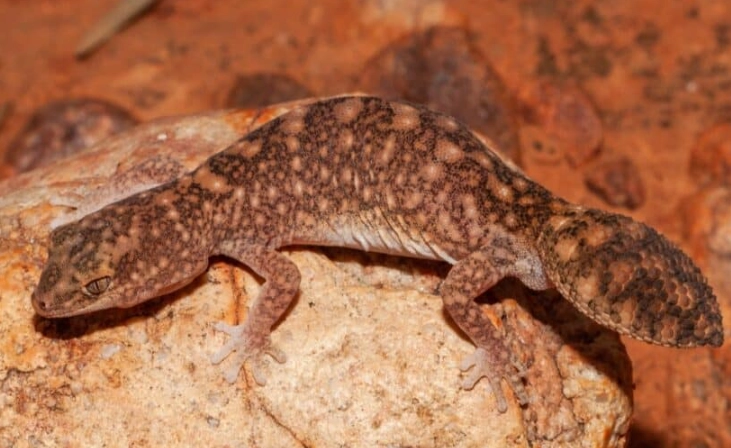
Let's break down the four pillars that hold up a long African fat-tailed gecko lifespan. Miss one, and the whole structure gets shaky.
This is the card your gecko is dealt. You can't alter it, but you can be smart about where you get your pet. Responsible breeders avoid inbreeding, which can lead to weak immune systems and congenital issues. A gecko with a clean genetic slate has the potential for a full lifespan. Wild-caught imports? Big risk. They often come with a heavy parasite load and immense stress, shortening their lives dramatically. Always ask about the gecko's origin. It's your first act of care.
This is where most new owners, myself included years ago, make subtle mistakes. Your gecko lives its entire life in this box. Get it wrong, and you create chronic stress, which is a silent killer. It weakens their immune system over time.
The Non-Negotiables:
See what I mean? It's not just a tank with sand and a heat lamp. It's a carefully crafted micro-habitat. Getting this right is the single biggest thing you can do to extend your African fat tailed gecko lifespan.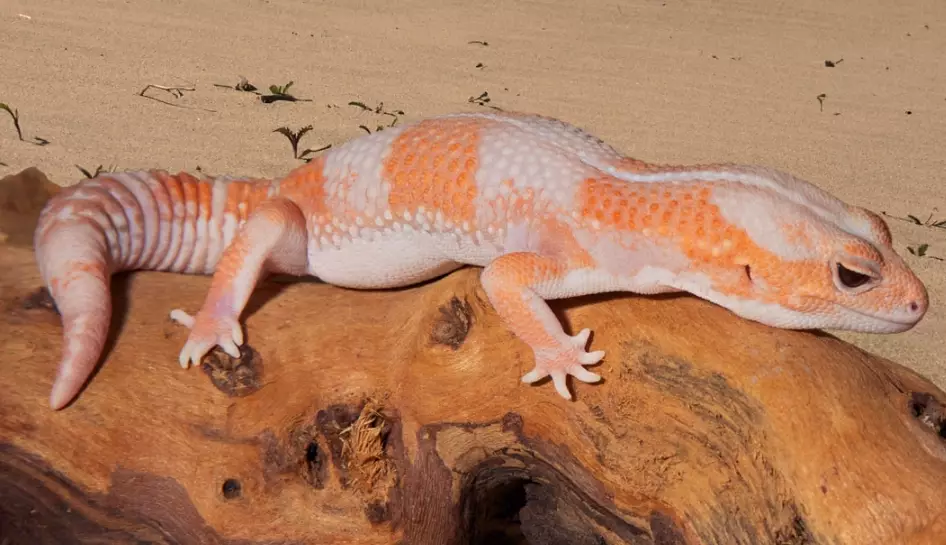
Feeding them isn't just dumping insects in the tank. It's about variety, supplementation, and schedule. A poor diet leads to Metabolic Bone Disease (MBD), obesity, or organ failure.
Here’s a simple table to visualize a good feeding plan for different life stages:
| Life Stage | Food Items | Feeding Frequency | Key Supplement |
|---|---|---|---|
| Hatchling/Juvenile (0-12 months) | Small crickets, small dubia roaches, black soldier fly larvae | Daily | Calcium (with D3) on almost every feeding. Multivitamin 2x a week. |
| Adult (1-5 years) | Crickets, dubia roaches, mealworms (sparingly), occasional waxworm treat | Every other day | Calcium (with D3) 2-3x a week. Multivitamin 1x a week. |
| Senior (5+ years) | Softer feeders like silkworms, hornworms, repashy grub pie. Easier to digest. | 2-3 times a week (monitor weight) | Calcium (with D3) weekly. Multivitamin bi-weekly. |
Gut-loading your feeder insects 24 hours before feeding (giving them nutritious veggies) is like fortifying your gecko's food. And always, always have a shallow dish of fresh water available. Dehydration is a fast track to kidney problems.
Reptiles are masters of hiding illness. In the wild, showing weakness makes you dinner. So you have to be a detective. Regular handling (gently!) lets you feel their body condition. Are they plump but not fat? Is their tail nice and fat? The tail is their energy bank.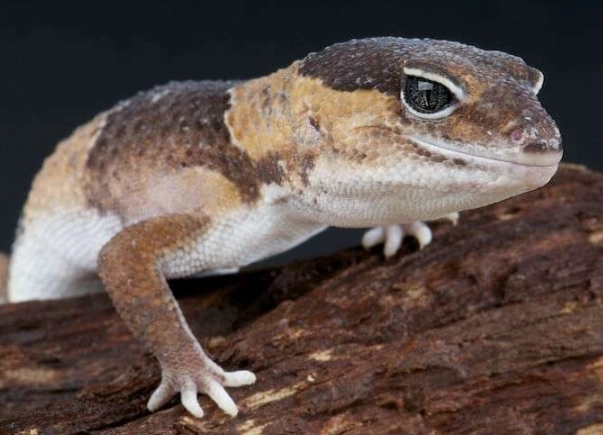
Red Flags That Shorten Lifespan: Lethargy during active hours, prolonged loss of appetite (not just during shed), weight loss (a thinning tail), difficulty shedding, labored breathing, loose or discolored stools, or visible lumps. If you see these, don't wait. Find a vet who specializes in exotics. A regular cat-and-dog vet often doesn't have the training. The ARAV Find a Vet tool is an invaluable resource for this.
An annual check-up with a reptile vet, even for a seemingly healthy gecko, can catch parasites or early signs of disease. It's an investment in their African fat-tailed gecko lifespan.
Okay, theory is done. Here's your practical, step-by-step checklist to become a longevity champion. Print this out and stick it on the fridge.
Year 1 Setup for Success:
The Long-Term Game (Years 2-15+):
Let's be brutally honest about where things go wrong. I've made some of these mistakes, or seen friends make them. Learning from them is free.
Metabolic Bone Disease (MBD): The big one. Caused by lack of calcium or improper UVB/D3. Symptoms include rubbery jaw, bowed legs, tremors. It's preventable 99% of the time with proper dusting. While they can survive without UVB if D3 is supplemented correctly, providing low-level UVB (a shadedweller 7% bulb) can contribute positively to their overall health and calcium metabolism. Research on this is ongoing, but many advanced keepers swear by it.
Impaction: Gut blockage from eating loose substrate or overly large feeders. Symptoms: no pooping, bloating, loss of appetite. Prevent it by feeding in a bare dish or on a solid surface.
Parasites: Internal parasites (coccidia, pinworms) sap energy and nutrients. A fecal test at the vet can diagnose and treat them. A new gecko should always get a check-up.
Obesity: Yes, a fat tail is good, but a fat body is not. Overfeeding fatty feeders like waxworms or superworms leads to fatty liver disease. Keep them lean and muscular.
Addressing these isn't just treating sickness; it's proactively removing barriers to a long African fat-tailed gecko lifespan.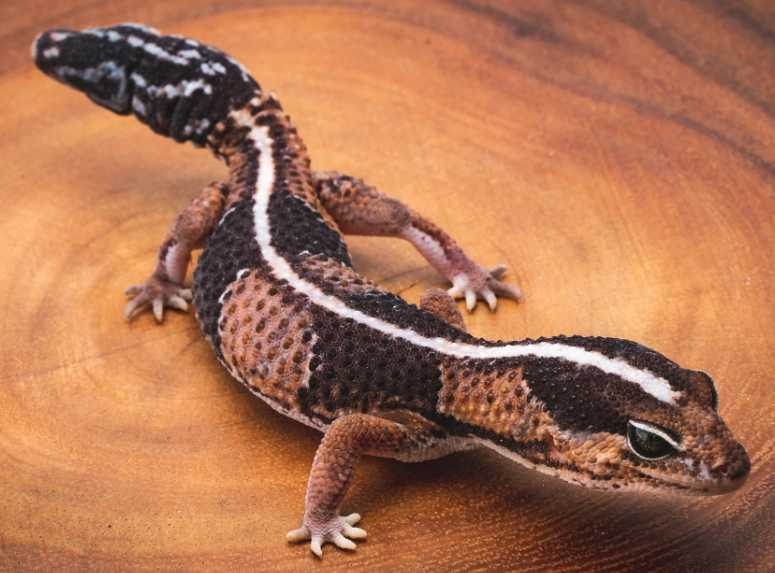
Here's a thought we don't often sit with. When you provide an environment that pushes your gecko's lifespan to 18 or 20 years, you're making a promise to a creature that will be with you through major life changes. Graduations, new jobs, moves, relationships. Their long African fat-tailed gecko lifespan is a gift of their company, but it's also a serious responsibility. It means planning for their care if you go on vacation. It means having a plan in your will, seriously. Who will care for your 15-year-old gecko if something happens to you?
It's not a decision to make lightly. But if you're ready for it, the reward is a decades-long bond with a fascinating, quiet, and beautiful animal. You get to watch their personality unfold over years, not months.
So, can your African fat-tailed gecko live for two decades? Absolutely. Will it? That's up to the care you provide today, next month, and for all the years to come. Start with the fundamentals—the right tank, the right heat, the right food. Be observant. Be proactive. Don't be afraid to ask for help from communities or vets. Do all that, and you're not just hoping for a long African fat-tailed gecko lifespan; you're actively building it, one day at a time.
It's a long journey, but honestly, watching them thrive makes every step worth it.