
Travel Tips
Lorem ipsum dolor sit amet, consectetur adipiscing elit.
You're thinking about getting an African fat-tailed gecko, or maybe you just brought one home. That plump tail and calm demeanor won you over. But a question nags at you: how long is this commitment? The quick answer is 15 to 20 years in captivity, with some well-cared-for individuals pushing past 25. That's a two-decade friendship. But that number is just the destination. The real story is the journey—the daily choices that add up to a long, healthy life or cut it tragically short. I've seen both outcomes in my years keeping and advising on these geckos. The difference almost always comes down to a handful of critical, often overlooked details.
Genetics load the gun, but environment pulls the trigger. A gecko from a strong, healthy lineage has a head start. But I've watched geckos from great breeders falter in poor homes, and "pet store specials" thrive for decades under meticulous care. The lifespan equation breaks down into four non-negotiable pillars.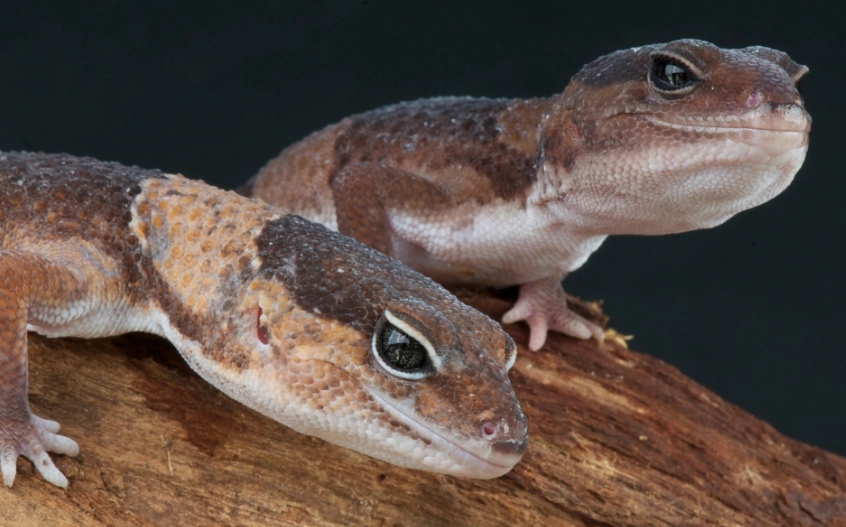
Husbandry is king. This is the totality of their living conditions: temperature, humidity, space, cleanliness. Get one wrong, and it's like a slow leak in a tire.
Nutrition is the fuel. It's not just "feed crickets." It's about gut-loading those insects, dusting them with the right supplements at the right frequency, and offering variety. A diet of plain crickets is a one-way ticket to metabolic bone disease.
Preventive Healthcare is the safety net. This means quarantine for new animals, regular fecal exams for parasites (yes, even for pet-only geckos), and knowing how to spot the earliest signs of illness—like a slight change in appetite or a poop that looks off.
Stress Management is the silent factor. A stressed gecko doesn't eat well, hides constantly, and has a suppressed immune system. Stressors include incorrect temperatures, lack of secure hides, cohabitation with other geckos, loud vibrations, and even a cage that's too large and open for a young animal.
Why the huge gap? In the wild, life is brutal. Predators, parasites, drought, injury, and food scarcity are constant threats. A study of reptile mortality patterns often shows most wild individuals don't reach old age. In captivity, we remove those existential threats. But we introduce new ones: our own mistakes.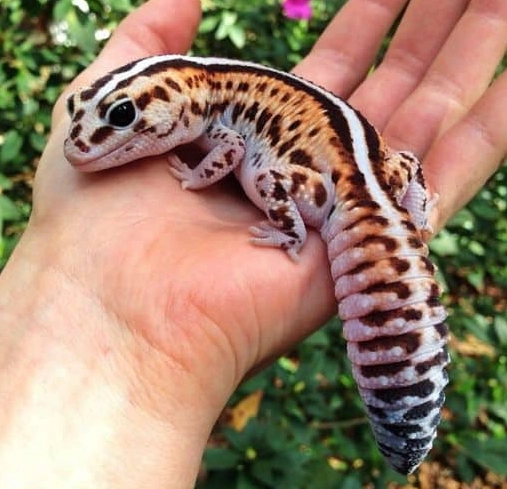
| Environment | Average Lifespan | Key Influencing Factors | Primary Threats |
|---|---|---|---|
| Wild (West Africa) | 5-10 years | Predation, climate, food/water access, disease | Snakes, birds, mammals, drought, severe parasite loads |
| Captivity (Pet Care) | 15-20+ years | Owner knowledge, consistency of care, genetics, vet access | Metabolic bone disease, impaction, obesity, infections from poor hygiene |
The table makes it look simple, but the "owner knowledge" part is vast. The potential for a 20+ year life is there, but it's not automatic. It's earned through daily attention to detail.
Let's get specific. This is the actionable plan most care sheets gloss over.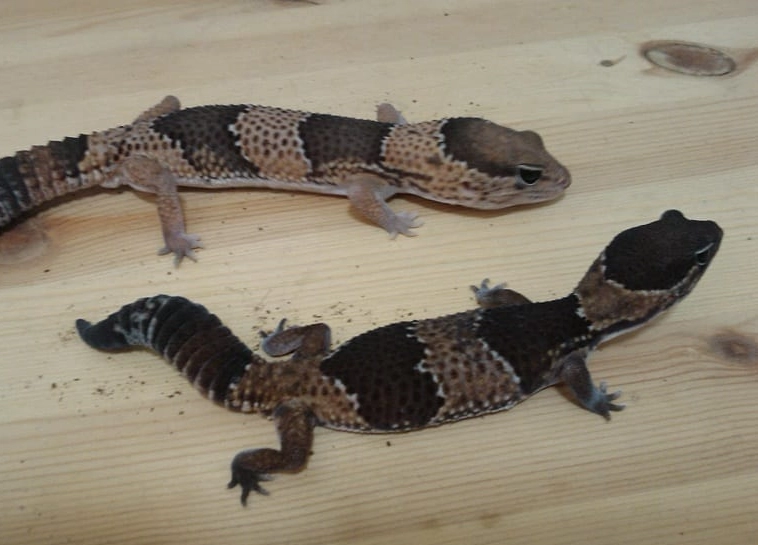
A 20-gallon long tank is the minimum for an adult, but 30-40 gallons is better. They use the floor space, not height. The substrate debate is endless. Paper towel is safest for beginners and quarantines. For a permanent setup, a deep layer of a moisture-retaining soil/sand mix is ideal for burrowing and humidity. Avoid pure sand, calcium sand (dangerous if ingested), and loose coconut fiber for juveniles.
Temperature is non-negotiable. You need a warm side of 88-90°F (31-32°C) and a cool side of 75-80°F (24-27°C). At night, it can drop to 70-75°F. Use an under-tank heater on a thermostat on one side. That's your primary heat source. A low-wattage ceramic heat emitter or deep heat projector can help if your room is cold. Red bulbs or colored lights at night are a terrible idea. They disrupt the gecko's day/night cycle. If you need night heat, use a lightless emitter.
Humidity should be 50-60%, spiking to 70-80% in the moist hide. This hide is critical. Use a plastic container with a hole cut in the side, filled with damp sphagnum moss. This is where they'll shed and regulate hydration. A dry hide on the warm side and another on the cool side complete the setup.
Here's where I see the most subtle, life-shortening errors. AFTs eat insects: crickets, dubia roaches, discoid roaches, black soldier fly larvae, and the occasional mealworm or waxworm (as a rare treat).
Gut-load your feeders for 24-48 hours with nutritious veggies (sweet potato, carrots, leafy greens) and a commercial gut-load product. You are what your food eats.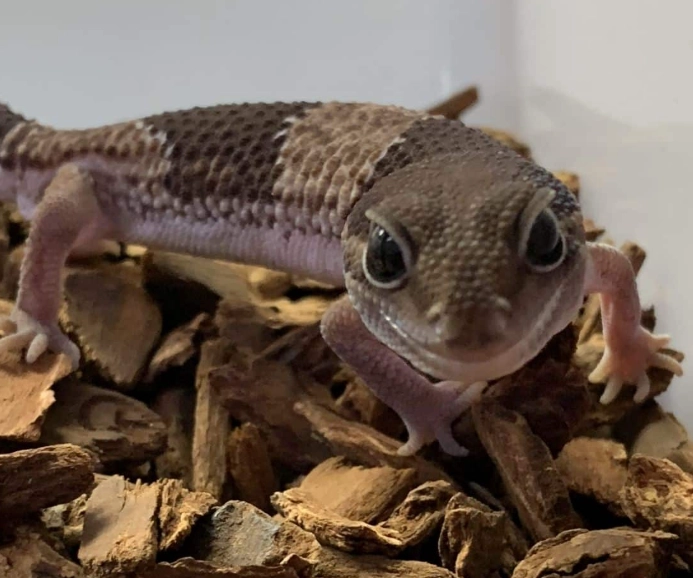
Supplementation is the make-or-break. You need two powders: a calcium powder with Vitamin D3 and a reptile multivitamin. The common wisdom is "calcium at most feedings, multivitamin once or twice a week." But the devil's in the details. If you're using a low-output UVB light (which is beneficial but not strictly required if supplementation is perfect), you still need D3 in the calcium. AFTs are crepuscular, so their UVB exposure is limited. Relying on a D3-free calcium with inadequate UVB is a direct cause of MBD. I recommend a reputable brand like Repashy or Arcadia. Dust the insects lightly at every feeding except one per week, where you use the multivitamin instead.
Find a reptile vet before you have an emergency. An annual check-up, including a fecal exam, is worth its weight in gold. Parasites don't always show obvious symptoms but can slowly drain an animal's health. A vet can also do a body condition score, checking for weight issues you might miss.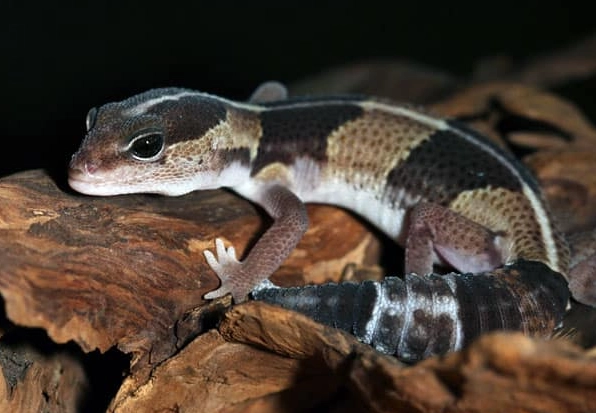
Knowing the enemies helps you fight them.
Metabolic Bone Disease (MBD): The skeleton softens. Signs include tremors, difficulty walking, a rubbery jaw, and kinks in the tail or spine. It's preventable with correct calcium/D3 and UVB. Treatment is possible but often leaves permanent damage.
Tail Loss (Autotomy): They can drop their tail from stress or mishandling. While it grows back, it never regains its original fat-storing shape. This isn't just cosmetic; it's a loss of their primary energy reserve, making them more vulnerable to illness during recovery. A dropped tail is a sign your husbandry or handling needs review.
Impaction: Caused by eating loose substrate or overly large feeders. Signs are lethargy and lack of bowel movements. Prevent it by feeding in a dish or on a solid surface, especially for juveniles, and keeping temperatures correct (digestion requires heat).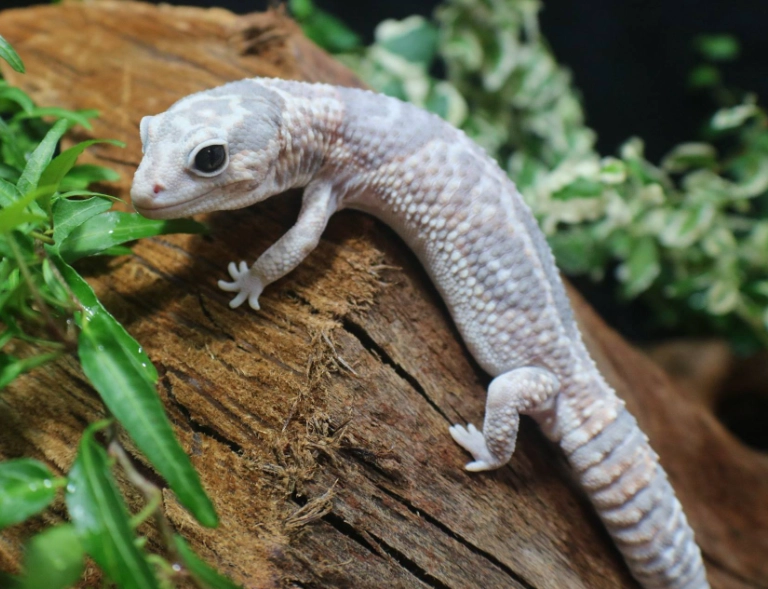
Obesity: Yes, a fat-tailed gecko can get too fat. An obese gecko has fat rolls on its sides and neck, and its tail becomes grotesquely bulbous. This puts immense strain on its organs. Feed adults 2-3 appropriately sized insects, 2-3 times a week. Adjust based on body condition.
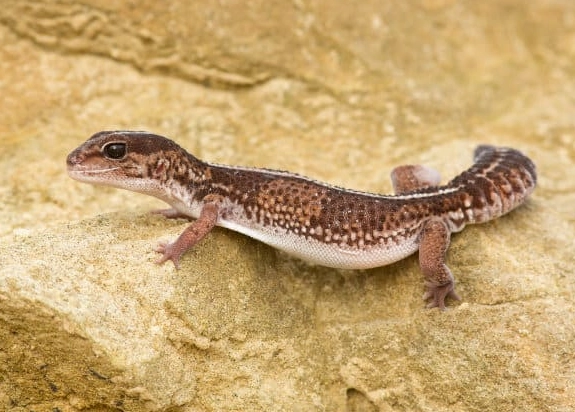
Ultimately, the African fat-tailed gecko lifespan in your home is a direct reflection of the care you provide. It's a long-term partnership. Those 15-20 years are filled with quiet moments—watching them hunt, seeing a perfect shed, noticing the subtle patterns in their scales. By focusing on the foundational pillars of expert-level husbandry, proactive nutrition, and preventive vet care, you're not just keeping an animal alive. You're giving a fascinating creature the opportunity to live out its full, natural lifespan in safety and comfort. That's the real goal.