
Travel Tips
Lorem ipsum dolor sit amet, consectetur adipiscing elit.
Let's talk about your African fat-tailed gecko's home. It's not just a box you put it in, you know? It's its entire world. The place where it hunts, hides, sleeps, and (hopefully) thrives. And the single most common question, the one that trips up so many new owners, is about the African fat-tailed gecko tank size. Get this wrong, and nothing else in your setup really matters. Too small, and your gecko gets stressed, maybe stops eating. Too big without the right layout, and it might never find its food or feel secure.
I've seen it all. The sad 10-gallon tank crammed with stuff, the bare 40-gallon breeder where the poor gecko looks lost. It's frustrating because the info out there is so contradictory. One care sheet says 10 gallons is fine, another screams for 20 gallons minimum. Who do you trust?
Well, after keeping these amazing, chunky-tailed lizards for years and talking to breeders who've been at it for decades, I've settled on what I think is the sweet spot. It's not just about the gecko african fat tail tank size in gallons or inches. It's about usable space, security, and creating a slice of West Africa in your living room.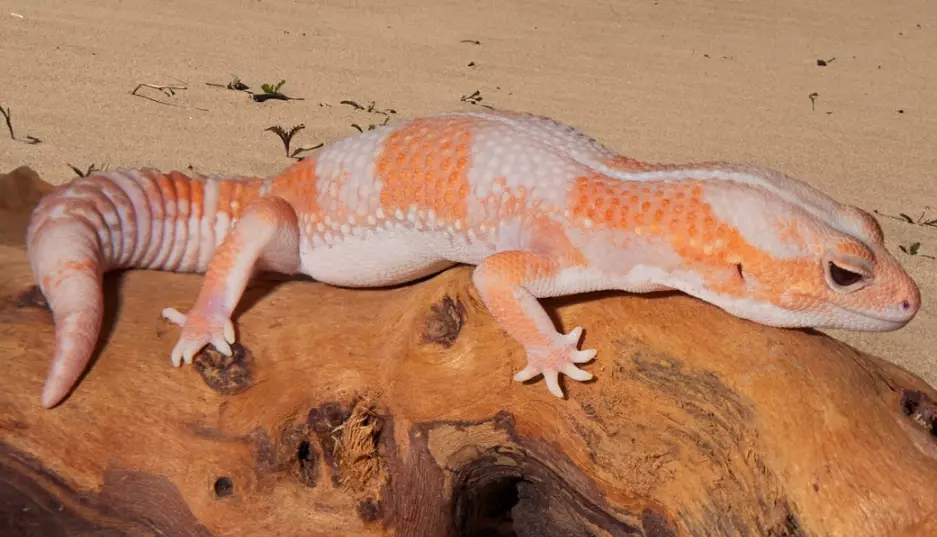
The Bottom Line Up Front: For a single adult African fat-tailed gecko (AFT), the absolute minimum floor space you should consider is a 20-gallon "long" tank (30" L x 12" W x 12" H). But—and this is a huge but—a 30-gallon breeder (36" x 18" x 12") or a 40-gallon breeder (36" x 18" x 16") is what I'd call the true recommended starting point. It gives you so much more room to work with.
It's easy to think of a reptile tank as just a container, but for an African fat-tailed gecko, it's everything. These guys are terrestrial, meaning they're ground dwellers. They don't climb like crested geckos. So that floor space? That's their entire universe. The right fat-tailed gecko enclosure size allows for something crucial: a temperature gradient.
What's a gradient? Simple. One end of the tank needs to be warm (around 88-90°F / 31-32°C on the surface under the heat source), and the other end needs to be cool (around 75-78°F / 24-26°C). Your gecko needs to move between these zones to regulate its body temperature, which is vital for digestion, immune function, and overall comfort. In a tiny tank, creating this gradient is impossible. You either cook the whole thing or it's all too cool. That's problem number one.
Problem number two is enrichment and natural behavior. AFTs are inquisitive, especially at night. They like to explore, patrol their territory, and investigate new smells. A cramped cage leads to boredom and stress behaviors. I've noticed my geckos in larger, well-decorated enclosures are far more active and confident. They use every inch.
Finally, there's humidity. AFTs need a humidity spike, especially in their moist hide for shedding. In a very small tank, spraying water can cause humidity to skyrocket and stay high, which can lead to respiratory issues. A larger volume of air is easier to manage, with humid microclimates (like inside the moist hide) and drier areas elsewhere.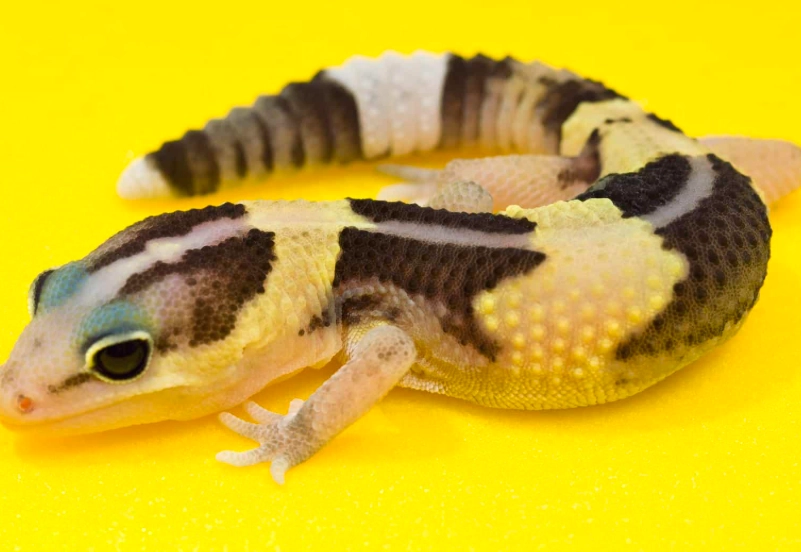
This is where the internet fights. You'll still find old guides saying a 10-gallon is okay for an adult. Honestly? I think that's outdated advice based on bare-minimum survival, not thriving. A standard 10-gallon tank is 20 inches long. Once you put in a decent-sized warm hide, a cool hide, and a moist hide, plus a water dish... there's barely any open floor space left for the gecko to actually walk around.
Can an AFT live in a 10-gallon? Technically, yes, if everything else is perfect. But it's a tight, boring life. Moving to a 20-gallon "long" (which is 30 inches long) instantly gives you 50% more floor length. It's a game-changer. You can properly arrange your hides and create that essential temperature gradient. So when we talk about the african fat tail gecko tank size minimum, the 20-long is the new, responsible baseline. The 10-gallon should really only be for juveniles.
I made the 10-gallon mistake with my first AFT, "Biscuit." He ate fine, but he just... sat there. Moved to his hides and that was it. When I upgraded him to a 36-inch PVC enclosure, his personality flipped. He'd come out at night and just wander, nose to the ground, exploring. It was like I got a different gecko. Lesson learned the hard way.
Let's get specific. Ditch thinking just in "gallons" for a second and think in dimensions. Floor space (length x width) is king. Height is secondary, but still important for substrate depth and fitting decorations.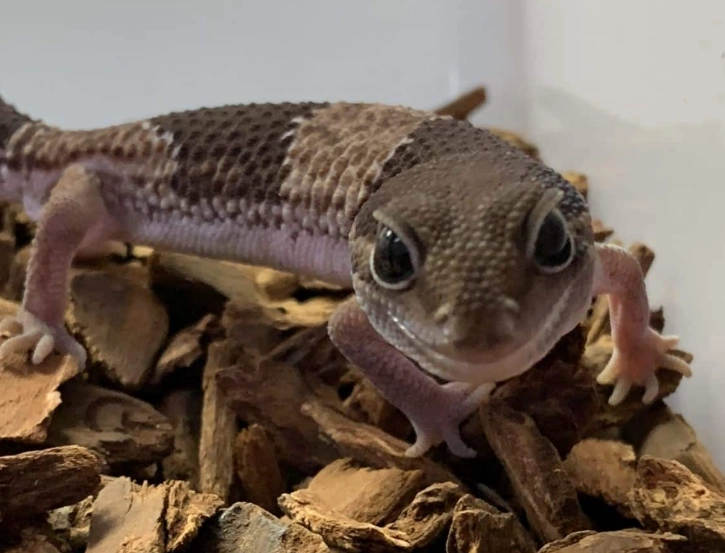
| Tank Type / Enclosure | Dimensions (L x W x H) | Best For | My Rating & Notes |
|---|---|---|---|
| 20 Gallon "Long" | 30" x 12" x 12" | Minimum for one adult AFT. Okay for a permanent home if expertly scaped. | 6/10. It works, but it's snug. You'll be wishing for more space to decorate. |
| 30 Gallon Breeder / 40 Gallon Breeder | 36" x 18" x 12"-18" | The Sweet Spot. Ideal for a single adult or a proven pair. | 9/10. The 36"x18" footprint is perfect. Allows for amazing gradients, multiple hides, and great decor. |
| 48" x 24" x 18" (Custom/PVC) | 48" x 24" x 18" | Palatial for one AFT. Excellent for a bioactive setup or a small group (1 male, 2 females). | 10/10 for luxury. Overkill? Maybe. But your gecko will certainly not complain. Allows for incredible naturalistic design. |
| 10 Gallon Tank | 20" x 10" x 12" | Only suitable for hatchlings and very small juveniles. Must be upgraded. | 3/10 for adults. Just don't do it long-term. It's a starter home, not a forever home. |
See the pattern? The jump from 12 inches wide (20-long) to 18 inches wide (breeder tanks) is massive. That extra 6 inches in width lets you place hides side-by-side instead of in a single line, create better visual barriers, and generally make the space feel less like a hallway and more like a room.
African fat-tailed geckos aren't big climbers, but they will use low branches, cork flats, and shallow ledges. A height of 12 inches is perfectly adequate. If you go taller (like 16-18 inches in a 40-breeder), that's great—it allows for deeper, more natural substrate for burrowing and lets you create more interesting terrain with hills and slopes. Just remember, the key investment is in the footprint.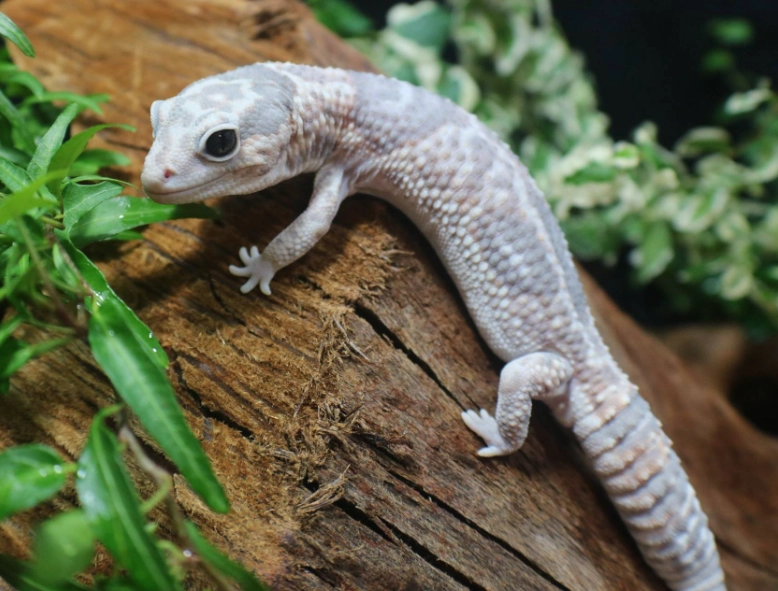
When we say "tank," most people think of a glass aquarium. But for an AFT, glass tanks (especially screen-topped ones) have a big downside: they suck at holding heat and humidity. You'll be fighting to keep temps and moisture up. That's why many experienced keepers prefer front-opening enclosures made of PVC, wood, or other insulated materials.
Pro Tip: A front-opening PVC enclosure (like those from brands like Animal Plastics or Dragonhaus) in a 36"x18"x18" size is arguably the best possible home for an AFT. It holds heat and humidity perfectly, provides a clear view without stressing the gecko from above, and looks super sleek. The initial cost is higher than a glass tank, but it saves you money and headache on heating in the long run.
Glass tanks can work, but you need to cover most of the screen top with a piece of plexiglass or foil to trap heat and humidity. It's a bit of a hack, but it works. Personally, I made the switch to PVC years ago and never looked back. The stability it provides for my gecko african fat tail tank size parameters is just unbeatable.
A big, empty tank is just as bad as a small, full one. You have to fill that space thoughtfully. Here’s the non-negotiable checklist for inside your chosen fat-tailed gecko enclosure:
The goal is a "cluttered floor." Your gecko should be able to move from one end to the other without feeling like it's crossing an open field, which can be scary for a prey animal.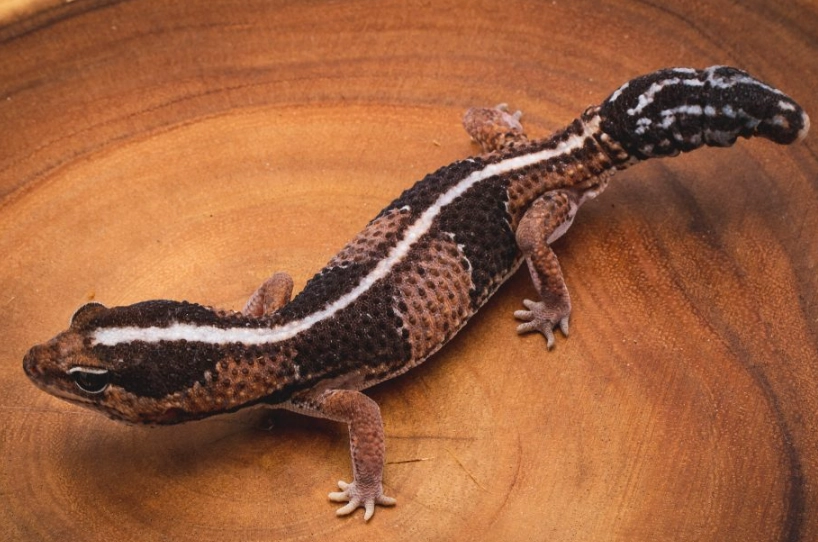
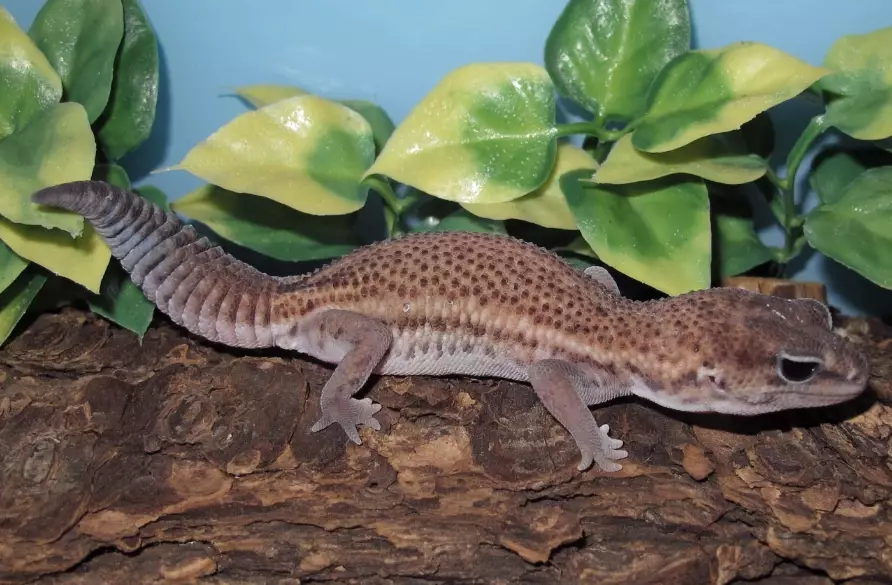
This is where your gecko african fat tail tank size choice directly impacts your equipment. A larger tank needs a more powerful heat source to create that proper warm spot of 88-90°F. A small under-tank heater (UTH) that works for a 10-gallon will be useless for a 40-gallon.
For larger tanks (30-gallon and up), I'm a big fan of overhead heating like a Deep Heat Projector (DHP) or a Ceramic Heat Emitter (CHE) in a dome lamp on a thermostat. These provide a more natural, penetrating heat that warms the substrate and air, not just the glass bottom. They are perfect for creating that gradient in a spacious enclosure. You pair this with a low-wattage UVB light (like a ShadeDweller or 5% T5 tube), which is now considered a best practice for AFTs to promote bone health and natural behavior. The ReptiFiles care guides have excellent, up-to-date information on implementing UVB safely.
Critical Safety Note: Whatever heat source you use, it must be connected to a high-quality thermostat (like a Herpstat or Vivarium Electronics). This is non-negotiable. An unregulated heat mat or bulb can overheat and seriously injure or kill your gecko. No excuses on this one.
Maybe you started with a 20-long and now you're convinced you need more space. Good! Upgrading is a sign of a caring owner. The process is simple but needs care:
You might see some hiding and reduced appetite for a few days. That's normal relocation stress. Just make sure the temperatures are perfect and leave it be.
If you've gone for a larger tank (36x18 or bigger), you have a fantastic opportunity to try a bioactive setup. This means adding a drainage layer, a soil substrate, clean-up crew insects (springtails and isopods), and live plants. The clean-up crew eats waste and mold, the plants help process nutrients, and you get a nearly self-cleaning, stunningly beautiful ecosystem.
A larger tank size is critical for bioactive success—it gives the ecosystem enough volume to be stable. The Bio Dude has fantastic kits and guides specifically for arid/desert setups that work well for AFTs. It's more work upfront, but the long-term maintenance is drastically lower, and your gecko gets the most naturalistic environment possible. Watching isopods scurry under the cork bark is weirdly satisfying.
Bigger space, happier gecko, cooler display. It's a win-win-win.
Choosing the right African fat-tailed gecko tank size is the first and most important decision you'll make in your husbandry journey. It's the foundation. You can have the best thermostat and the fanciest decor, but if the space is too small, everything else is compromised.
My strongest recommendation? Stretch your budget and space for at least a 30-gallon breeder (36"x18") or its PVC equivalent. You will thank yourself later. Your gecko will certainly thank you with years of healthy, curious, and engaging behavior. It's the difference between providing a room and providing a world. And honestly, watching them explore and enjoy that world is the whole point of keeping these fantastic creatures.
Start big, clutter it up, and get ready to watch your African fat-tailed gecko truly live.