
Travel Tips
Lorem ipsum dolor sit amet, consectetur adipiscing elit.
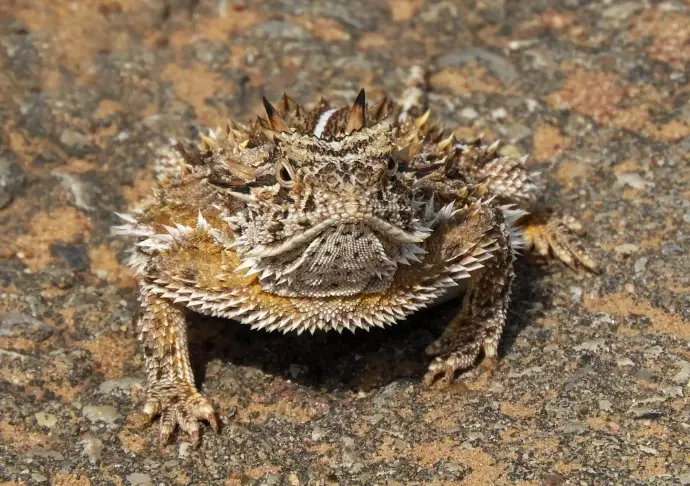
I remember the first time I saw one. It was on a dusty trail in West Texas, looking more like a spiky rock than an animal until it blinked. That encounter sparked a years-long fascination with horned lizards, often called horned toads. One of the most common questions I get, and one you're probably asking right now, is simple: what states do horned lizards live in? The short answer is, primarily the arid and semi-arid regions of the American West and into Mexico. But the full story is a map of specific habitats, conservation concerns, and some surprising absences. Let's get straight to the point and then dive into the details.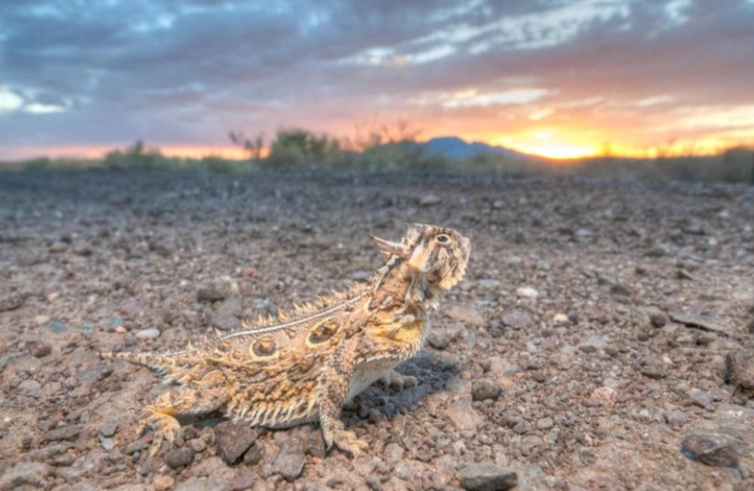
Forget the idea of them being everywhere out west. Horned lizards are habitat specialists. They need open ground—sandy or loose soil is best—for burrowing and thermoregulation, and they need their favorite food: harvester ants. This specific need ties them directly to states with the right mix of prairie, desert scrub, and open woodland.
The absolute heartland for horned lizards is the Southwestern United States. If you drew a big block from central Texas westward to Southern California, and north into Colorado and Kansas, you'd cover the primary territory. A handful of species have ranges that dip into the Great Plains states, and one, the Texas horned lizard, has even been introduced (though not thriving) in areas like South Carolina, but that's not their natural home.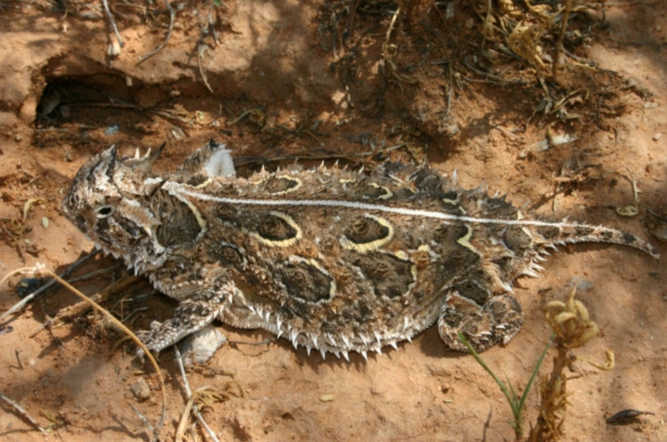
Here’s a quick breakdown of the states with established, native horned lizard populations, categorized by the number of species you might find there. This gives you a sense of biodiversity hotspots.
| State | Number of Native Species | Notes on Range & Habitat |
|---|---|---|
| Texas | 3 | Home to the iconic Texas horned lizard. Widespread in central, south, and west TX. The most likely state for a casual sighting. |
| Arizona | 6+ | The undisputed champion for diversity. Includes the regal, round-tailed, and flat-tailed horned lizards. |
| New Mexico | 5 | Similar diversity to Arizona, covering the Chihuahuan Desert and southern plains regions. |
| California | 2 | Primarily the desert regions (Mojave & Colorado). The coastal horned lizard's range has severely contracted. |
| Colorado, Kansas, Oklahoma | 1 (Texas horned lizard) | Eastern edges of the range. Populations are often fragmented and declining. |
| Nevada, Utah | 2-3 | Desert regions. The greater short-horned lizard ranges into high elevations. |
| Wyoming, Idaho, Montana | 1 (Greater short-horned lizard) | Northernmost range. This cold-tolerant species is found in high plains and foothills. |
Knowing the state is only half the battle. You need to know where *within* the state to look. Here are a few deep dives.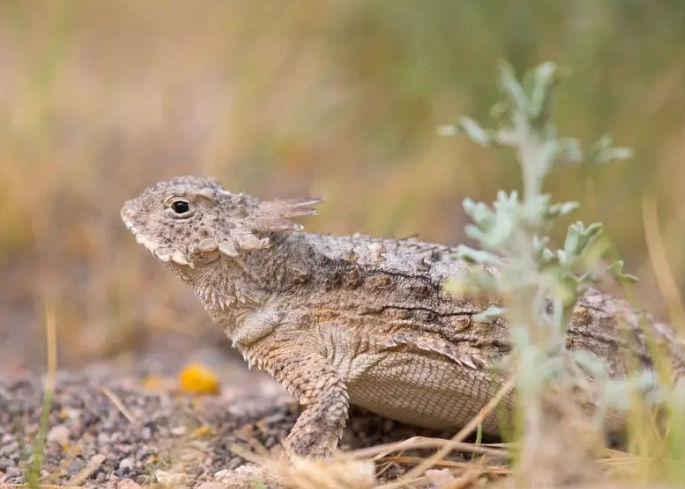
If you're aiming to see a Texas horned lizard, your odds are best here. But don't just wander into any field. Focus on the Edwards Plateau (think the Hill Country around Austin and San Antonio) and the South Texas Plains. I've had consistent luck on ranchlands in the Big Bend region, but always with permission. State parks like Guadalupe River State Park or Lost Maples can be productive. The key is loose, sandy or gravelly soil near harvester ant colonies. Urban sprawl and fire ant invasion have wiped them out from the eastern third of the state, a loss I still find shocking.
Driving from Tucson to Phoenix, you could theoretically pass through habitat for four species. The regal horned lizard is common in the Sonoran Desert around Tucson—try the Saguaro National Park foothills. The flat-tailed horned lizard is a specialist of fine, wind-blown sand in the far western deserts (Yuma area), and its habitat is under severe pressure. For the round-tailed horned lizard, look in the central valley's creosote flats. Arizona's variety is unmatched, but it also means you need to research which specific desert basin you're in.
This is a sobering case. The coastal horned lizard once ranged from Northern California down to Baja. Now, due to habitat loss and Argentine ants (which displace their native ant prey), they are largely gone from coastal urban areas. Your best bet is in protected inland reserves in Southern California or the southern Mojave Desert for the desert horned lizard. Places like the Anza-Borrego Desert State Park are strongholds. It's a stark reminder that a state listing doesn't guarantee easy viewing.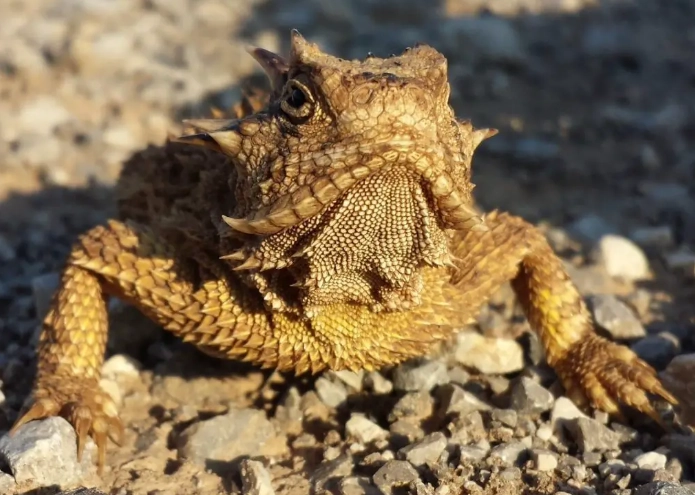
You've got your target state and region. Now what? Trampling through their habitat is a great way to not see them and cause harm.
Timing is everything. They are ectotherms. Aim for late morning to mid-afternoon in the warmer months (April-September), when they are out basking and foraging. On very hot days, they may retreat into burrows and only be active in the early morning.
Move slowly and scan the ground. I can't stress this enough. Their camouflage is phenomenal. Look for their silhouette against the dirt, not just for "color." Walk slowly, stop frequently, and let your eyes focus on the ground 10-20 feet ahead.
Respect the habitat. Never capture or handle a wild horned lizard. Their stress levels spike easily. If you must move one off a trail, guide it gently with a soft hat or stick—don't pick it up. Never take one as a pet; it's illegal in most states and they almost always die in captivity due to their specialized diet.
And about those harvester ants: if you find a busy trail or mound, sit quietly at a distance for 10-15 minutes. You might just see a horned lizard come in for a meal.
Seeing one feels like a gift because, in many places, it is. Several species are declining. The flat-tailed horned lizard is a Candidate for listing under the U.S. Endangered Species Act. The Texas horned lizard is listed as Threatened in Texas and Oklahoma.
The causes are a perfect storm:
Habitat Loss: Conversion of native prairie and desert to agriculture or development.
Invasive Ants: Fire ants and Argentine ants outcompete or kill harvester ants, starving the lizards.
Pesticides: Broad-spectrum insecticides wipe out their sole food source.
Historical Pet Trade: While now largely illegal, decades of collection drained populations.
Vehicle Mortality: Roads fragment their habitat.
What can you do? Support habitat conservation land trusts in states like Texas or Arizona. Report sightings (with photos and location) to citizen science platforms like iNaturalist—this data is gold for researchers. And spread the word about why they shouldn't be pets.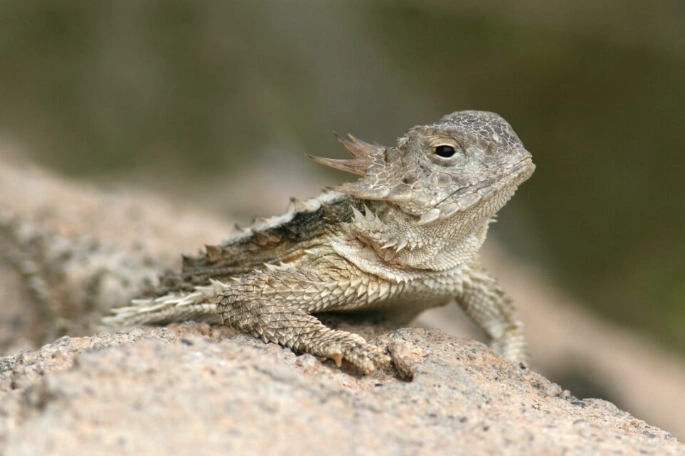
 I live in Florida and saw something that looks like a horned lizard. Is that possible?