
Travel Tips
Lorem ipsum dolor sit amet, consectetur adipiscing elit.
Let's cut to the chase. If you're asking "How long do fat tailed geckos live?", you're not just looking for a number. You're asking about the responsibility, the daily routine, and the potential heartbreak of outliving a pet that could be with you for two decades. The fat tailed gecko lifespan isn't a trivia fact; it's a direct reflection of your skills as a keeper.
In captivity, with proper care, a fat tailed gecko (Hemitheconyx caudicinctus) can live between 15 to 20 years. I've spoken with breeders who have records of individuals pushing 22. That's longer than many common household pets. It's a marathon, not a sprint. Understanding what goes into those two decades is what separates a good owner from a great one.
Most care sheets will give you the basics: a 20-gallon tank, under-tank heat, and crickets dusted with calcium. But to truly maximize that fat tailed gecko lifespan, you need to move beyond the checklist and think like an ecologist. You're not just keeping an animal alive; you're replicating a specific slice of West African savanna and woodland edge in a plastic or glass box. Get that wrong, and you might be looking at 5-10 years instead of 15-20.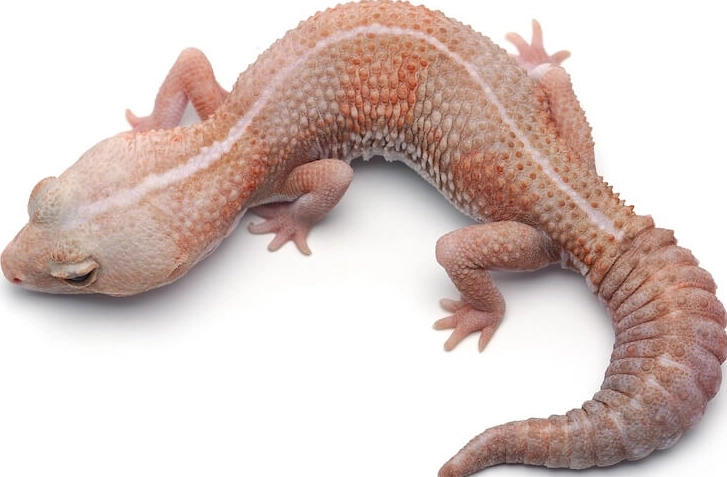
The 15-20 year range isn't a guarantee. It's a potential. Think of it like a car's "estimated mileage." You can drive it into the ground in 50,000 miles with no oil changes and cheap tires, or you can follow the maintenance schedule and hit 200,000. The gecko is the car; its husbandry is the maintenance.
I've seen both extremes. I once took in a surrendered fat tail that was around 7 years old. It was obese, housed on sand (a huge impaction risk), and had severe metabolic bone disease from poor supplementation. It passed away within two years despite our best efforts. That's the lower end of the spectrum. On the flip side, a friend's meticulously cared-for gecko is currently celebrating its 19th birthday, still hunting with gusto.
Here's where generic advice falls short. Everyone talks about the big three: enclosure size, heat, and food. Those are important, but they're the foundation. The real lifespan extenders are often in the subtle, consistent execution.
This is the hill I will die on. A fat tailed gecko doesn't just need a warm hide. It needs a properly managed thermal gradient. This means a distinct hot side (88-92°F / 31-33°C) and a cool side that drops to the low 70s°F (22-24°C) at night. The cool side is not optional. It's where they thermoregulate and digest. A constant, flat temperature across the entire tank stresses their metabolism. I use a thermostat on a heat pad under one-third of the tank floor for the hot side, and I never use a heat lamp without a thermostat. Nighttime drops are not just acceptable; they're beneficial and mimic their natural environment.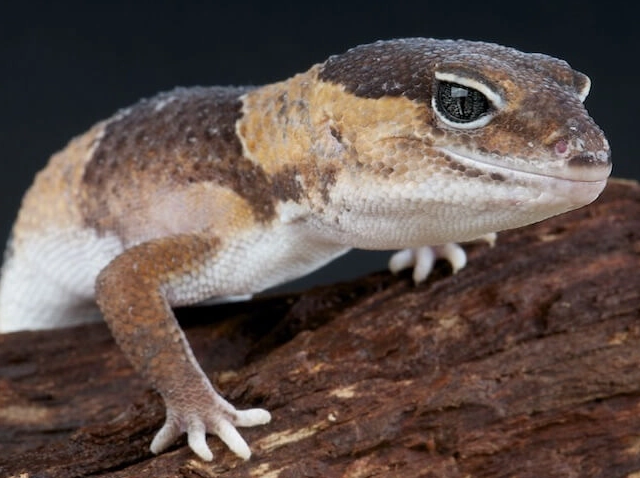
Fat tails are not leopard geckos. They come from more humid microclimates. While a water bowl is essential, the ambient humidity is what keeps their skin healthy, aids in shedding, and supports renal function. Aim for 60-70% humidity. How do you achieve this without turning the tank into a swamp? A humid hide filled with damp sphagnum moss or reptile-safe soil is non-negotiable. But here's the non-consensus part: I don't mist the entire enclosure daily. That leads to wet substrate and scale rot. I use a deep, moisture-retaining substrate like a topsoil/sand mix on the cool side, keep the warm hide dry, and rely on that humid hide to provide the localized moisture they seek out. I monitor the overall humidity with a digital gauge, but I trust the humid hide to do the heavy lifting. I've seen more respiratory issues from constant, high-volume misting than from a slightly lower ambient humidity with a perfect humid hide.
This is arguably the biggest killer of potential lifespan. Metabolic Bone Disease (MBD) is a painful, crippling, and fatal condition caused by a lack of calcium and/or vitamin D3. It's entirely preventable. The standard advice of "dusting every other feeding" is dangerously vague. Here's my specific, non-negotiable routine for adults, based on years of trial, error, and consultation with vets:
For juveniles, the schedule is more frequent due to their rapid growth. The point is consistency. I've lost a gecko years ago because I was inconsistent, thinking "it's just one feeding" without the calcium. Don't be me.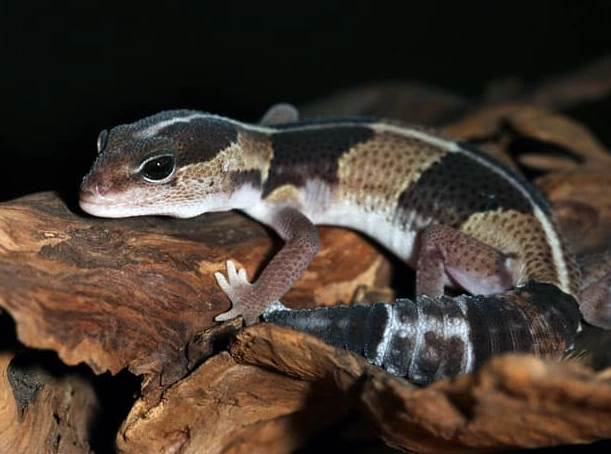
In the wild, a fat tailed gecko's life is brutal and short. Predation, disease, parasites, and food scarcity mean most are lucky to see 5-8 years. Captivity removes these immediate threats, but it introduces a new set of challenges. We trade predation for the risk of obesity, trade parasites for the risk of impaction from improper substrate, and trade food scarcity for the risk of nutritional deficiencies.
The captive environment, when done right, is what unlocks that 15-20 year potential. It's a controlled environment where every variable—from the type of insects you feed to the minerals in their water—is your responsibility.
Let's talk about the mistakes I see constantly. These aren't the obvious ones like no heat. These are the subtle, slow-acting errors that shave years off life.
Impaction from Loose Substrate: This is a hill I will die on. Never, ever house a fat tailed gecko on sand, gravel, or crushed walnut shell. Their hunting behavior involves lunging and grabbing, which means they will ingest substrate. Impaction is a painful, expensive, and often fatal gut blockage. Use paper towel, slate tile, or a very fine, safe topsoil/sand mix if you're experienced. When I see a beautiful bioactive terrarium for a fat tail, I get nervous unless the keeper is very seasoned and uses only very fine, sifted soil.
The "Hot Rock" Fallacy: Under-tank heaters are great. Heat rocks are not. They can overheat and cause severe thermal burns. All heating elements must be regulated by a thermostat. This isn't a luxury; it's a basic requirement for any heat source you use.
Inconsistent Nighttime Drops: Your gecko needs a break from the heat. A slight nighttime temperature drop to the low 70s°F (22-24°C) signals rest and aids in digestion. Keeping the heat on 24/7 is stressful.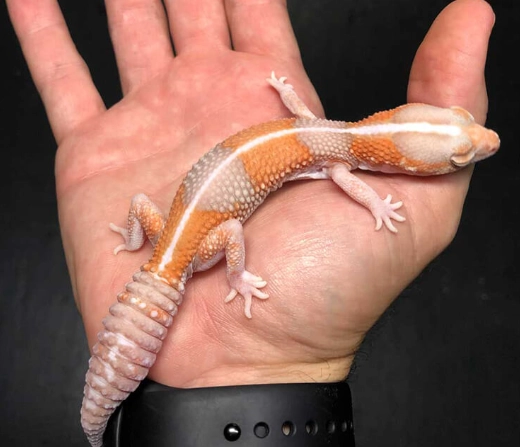
So, how do you build an environment that supports a 20-year lifespan? Let's get specific. I'll walk you through my current setup for my oldest male, who's pushing 18.
A single adult fat tail needs a 20-gallon long (30" x 12" x 12") minimum. That's the starting point. I've found they use the space more actively when given more room. My adults are in 24" x 18" x 12" front-opening enclosures. The bigger, the better, as long as you can maintain the gradient. Front-opening is a game-changer for reducing stress during maintenance.
Security is non-negotiable. These geckos are surprisingly strong for their size and can exploit the tiniest gap. A screen-top or front-mesh ventilation is a must, and all doors must lock securely.
Fat tails are crepuscular (active at dawn and dusk). They do not require intense, bright basking lights like a bearded dragon. In fact, bright lights can stress them. Their heat should come from an under-tank heating pad (UTH) connected to a thermostat, covering no more than 1/3 of the tank floor on one side. This creates the essential heat gradient.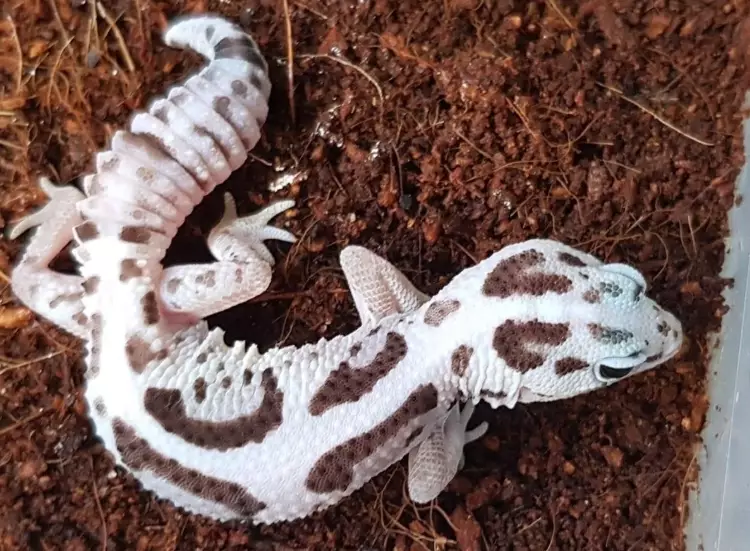
The temperature on the hot side, measured on the substrate inside the warm hide, should be 88-92°F (31-33°C). The cool side should be room temperature, around 75°F (24°C). I use a digital thermometer with a probe right on the substrate in the warm hide to monitor this. At night, everything can and should turn off. No colored "night" bulbs are needed.
While they don't require UVB lighting for survival, the debate on its benefits for long-term health is ongoing. Some keepers, including myself, provide a very low-level UVB light (like a shadedweller or a low-output T5 tube) for a 10-12 hour cycle to simulate a natural day/night rhythm and potentially aid in D3 synthesis. It's not a requirement, but I consider it a form of enrichment and potential health insurance.
Remember that humidity gradient? It's created by offering multiple hides with different microclimates.
The humid hide is where they will go to assist with shedding. If the humidity in the entire tank is constantly too high (consistently above 70%), you risk respiratory infections. The ambient humidity can be lower (40-50%) if that humid hide is properly maintained.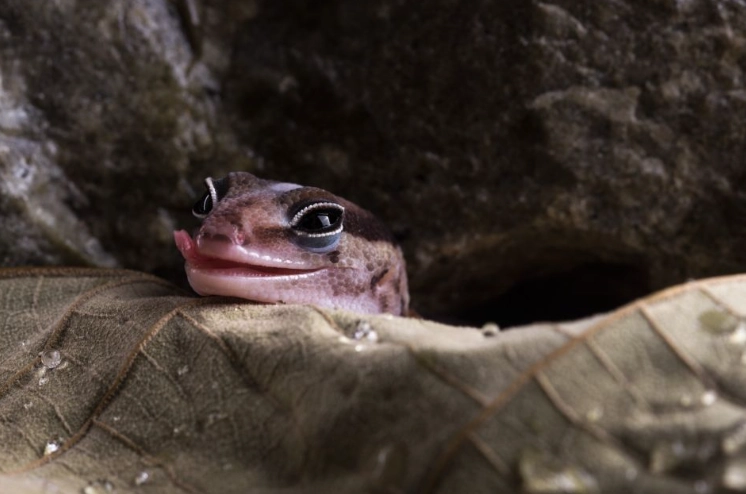
I've already mentioned my stance on loose particle substrates for beginners. Until you are 100% confident in your feeder insect management and your gecko's hunting response, stick with solid, easy-to-clean substrates. Paper towel is perfect for quarantine and monitoring health. Slate tile looks great and is easy to clean. For a more natural look that's still safe, a deep layer of a topsoil/sand mix (like a BioDude Terra Sahara mix or homemade 70% organic topsoil/30% playsand) can work, but you must be vigilant about feeding. I use a feeding dish or tong-feed every insect to prevent ingestion.
Feeding is where lifespan is directly won or lost. Let's talk specifics.
| Life Stage | Feeder Insect | Feeding Frequency | Supplementation Schedule |
|---|---|---|---|
| Juvenile (0-12 months) | Gut-loaded crickets, small dubia roaches | Daily | Every feeding: Calcium (without D3). 1st & 3rd Sunday of the month: Multivitamin with D3. |
| Adult (12+ months) | Dubia roaches, crickets, occasional mealworms | Every 2-3 days | Every feeding: Calcium (without D3). 1st & 3rd Sunday of the month: Multivitamin with D3. |
The variety is crucial. Crickets are high in protein, dubia roaches are excellent staples, and mealworms or superworms should be rare treats due to their higher fat and chitin content. I gut-load my feeders for at least 24 hours on a high-quality diet like Repashy Bug Burger. What you feed the insect is what you feed the gecko.
A common mistake is feeding prey that is too large. The rule of thumb is that no feeder insect should be wider than the space between the gecko's eyes. For adults, that usually means medium-sized dubia and large crickets.
You are your gecko's first and only line of defense. Weekly weight checks (using a digital scale in grams) are non-negotiable for adults. Juveniles grow quickly, so bi-weekly checks are better. A consistent weight is a good sign. A sudden drop is a red flag.
Learn to recognize a healthy fat tail. They should be alert, have clear, bright eyes, a clean vent, and a plump (not obese) tail. The tail is their fat storage organ. It should be nice and plump, but the body should feel firm, not soft and squishy. Their skin should shed in one complete piece, not in patches. Stuck shed, especially around the toes, can constrict blood flow and lead to loss of digits.
I keep a simple journal: weight, date, food offered (and how many were eaten), and any notes on behavior or appearance. This log has saved me multiple vet trips because I could pinpoint exactly when something changed.
Even with perfect care, things can go wrong. Knowing the common enemies allows you to act fast.
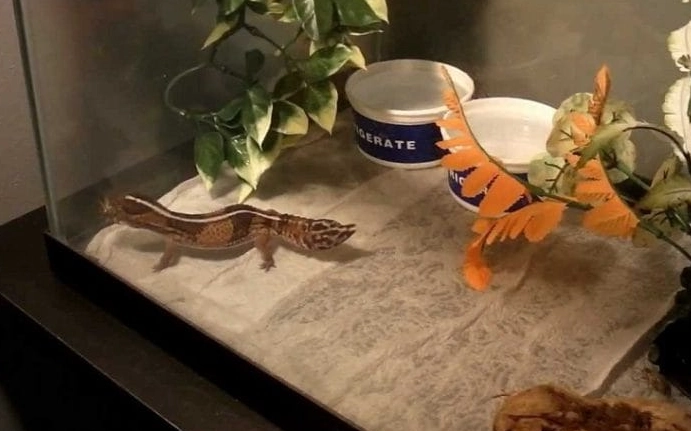
Committing to a fat tailed gecko's potential lifespan of 15-20 years is a monumental decision. It's a decision that spans life changes—jobs, moves, relationships. The information here isn't just a care guide; it's a framework for building a stable, enriching environment that allows a fascinating creature to express its natural behaviors in safety.
There's a unique satisfaction that comes from looking at a healthy, alert gecko you've cared for over a decade, knowing you've provided the foundation for its well-being. That journey starts with respecting their needs, not just checking boxes on a list.
If you're ready for that level of commitment, the reward is a long-lived, engaging pet that will be a part of your life for a significant portion of it. Do your research, set up correctly from day one, and you'll be giving your fat tailed gecko the best shot at reaching (and even exceeding) that 20-year potential.