
Travel Tips
Lorem ipsum dolor sit amet, consectetur adipiscing elit.
You look into the terrarium and there it is—your gecko's tail has plumped up. It looks like a little sausage attached to its body. Your mind races. Is this a good sign? A bad one? Should you be proud or panicked? Let's cut through the confusion right now. A fat tail on a gecko like a leopard gecko is usually a brilliant sign of health, a built-in survival tool. But sometimes, it's a flashing red warning light. The trick is knowing the difference, and that's what most care sheets gloss over.
Geckos from arid environments, most famously the leopard gecko, didn't evolve fat tails for cuteness. That tail is a specialized organ called a caudal fat reserve. Think of it as a savings account, a pantry, and an insurance policy all rolled into one.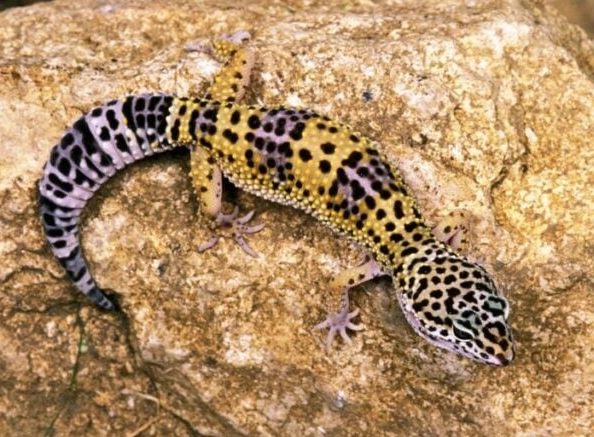
In the wild, food isn't a daily delivery service. A gecko might go weeks between big meals. During times of plenty, it converts excess nutrients into fat and stores them specifically in the tail. This is incredibly efficient—the fat is stored away from the core body, allowing for agile movement even when "full." When times get lean, the gecko metabolizes that fat for energy, for reproduction, and for overall bodily functions. A skinny tail means the savings are spent. A fat tail means the gecko is financially secure, biologically speaking.
Key Insight: This is why you should never judge a gecko's health by human standards. Our obesity is a health crisis; for them, a robust tail is often a crown of achievement. The problem starts when we mistake other issues for healthy fat.
So, what does healthy fat storage look like? It's not just about size.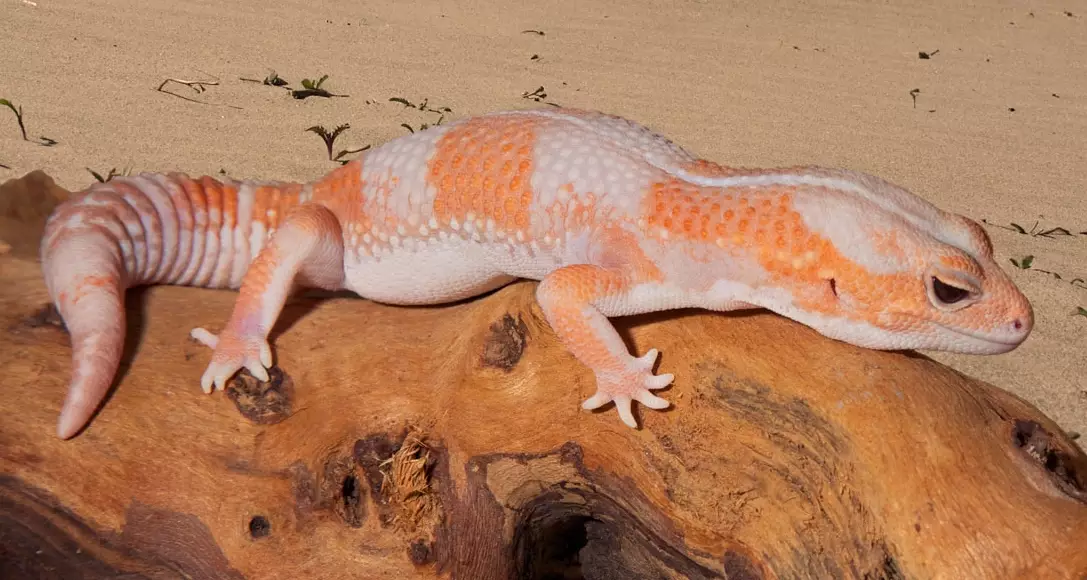
First, the texture. A healthy fat tail should be firm but have a slight give, like a ripe avocado. It tapers smoothly from the base to the tip. The skin should look normal—no discoloration, no bumps, no stickiness.
Second, look at the whole animal. A gecko with healthy fat reserves will have a plump tail while maintaining a relatively streamlined body. The neck and leg joints shouldn't have noticeable rolls of fat. The gecko should be active, alert, and have a good appetite.
Third, consider the context. Did the fat build up gradually over weeks of good feeding? That's likely storage. Is your gecko a particular breed known for robust tails? For instance, many leopard gecko morphs, like the popular "Super Giant," are bred for substantial size, including tail width.
Age matters, too. Juvenile geckos will put energy into overall growth first. The tail fattening up is a sign they've moved past basic growth and are now building reserves—a milestone.
This is the section that matters most. A swollen tail can mimic a fat one, but the causes are serious. Here’s how to spot the dangerous imposters.
| Condition | What It Looks/Feels Like | Common Causes | Urgency Level |
|---|---|---|---|
| Abscess or Infection | Localized, often hard swelling. May feel hot. Skin might be red, purple, or have a scab. The swelling is usually uneven. | Bite from cage mate, injury from decor, bacterial infection. | High - Requires vet for antibiotics/drainage. |
| Internal Blockage (Impaction) | Swelling at the base of the tail, near the vent. Tail may be thin beyond the bulge. Gecko stops defecating, loses appetite. | Ingesting loose substrate (like sand), eating too-large insects, dehydration. | High - Can be fatal if not treated. |
| Nutritional Secondary Hyperparathyroidism (MBD) | Tail may appear "puffy" or rubbery, not firm. Combined with bowed legs, jaw softening, tremors. | Severe calcium deficiency, improper UVB lighting. | High - Requires immediate vet care and husbandry overhaul. |
| Egg Binding (in females) | Generalized swelling in the abdomen, which can make the tail base look thick. Lethargy, straining. | Lack of proper laying site, calcium deficiency, oversized eggs. | High - Life-threatening emergency. |
| Cardiac or Organ Issues | Generalized fluid retention (edema), making the tail look bloated and puffy, often with a "water balloon" feel. Scales may look stretched. | Heart failure, kidney disease, severe infection. | Very High - Requires exotic vet diagnosis. |
The biggest mistake I see? Owners notice a "fat" tail but miss the other clues. The tail base is red. The gecko hasn't pooped in three weeks. It's only swollen on one side. These details turn a cause for celebration into a trip to the vet.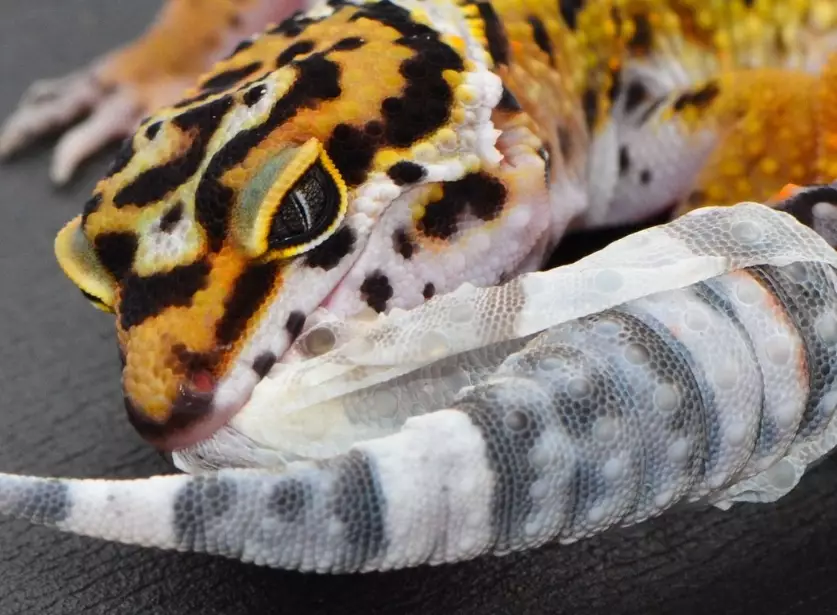
Red Flag Checklist: If the fat tail is paired with lethargy, loss of appetite, visible lumps, redness, an inability to pass waste, or a sudden onset, stop reading about fat storage and start planning a vet visit. Healthy fat doesn't make a gecko sick.
Don't just wonder. Follow these steps.
Watch your gecko from outside the tank. Is it moving normally? Is the swelling symmetrical? Does the rest of its body look proportionate? Note any changes in behavior or appetite over the past few weeks.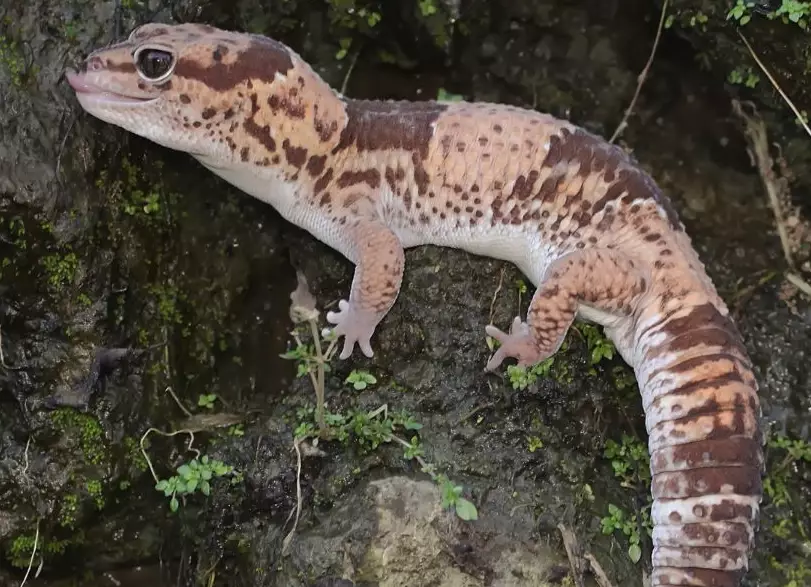
If your gecko is handleable, gently feel the tail. Is it uniformly firm (good fat) or are there hard lumps (bad)? Is the base swollen separately from the tail? Does touching it seem to cause pain?
This is where you play detective. Be brutally honest with yourself.
Diet: Have you been overfeeding? A common scenario is offering too many fatty feeders like waxworms or superworms as staples. Are you gut-loading insects and using calcium powder? A tail full of poor-quality fat from a junk-food diet isn't as resilient.
Environment: Is the temperature gradient correct? A gecko that's too cold can't digest properly, leading to gut issues that can cause swelling. Are you using loose sand or another ingestible substrate?
If it's healthy fat: Congratulations! Maintain your excellent care. You can consider slightly reducing feeding frequency if the tail becomes excessively large compared to the head, but don't crash-diet your gecko.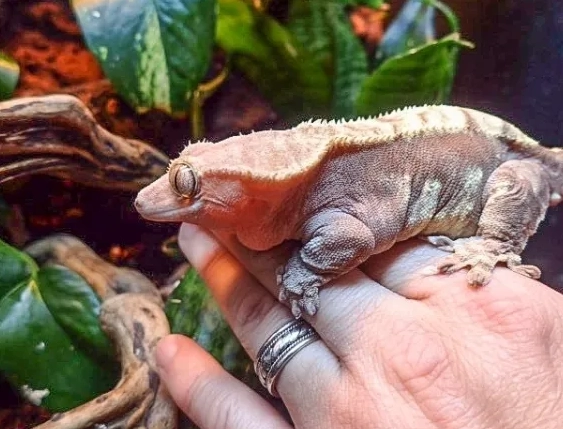
If you suspect a problem: Isolate the gecko if housed with others. Ensure the enclosure is impeccably clean. Provide a warm, quiet hide. And most importantly, locate a reptile veterinarian. Search for the Association of Reptilian and Amphibian Veterinarians (ARAV) member directory in your area. Don't wait.
My leopard gecko's tail is suddenly very fat and the base looks red. What should I do?
How can I tell if my gecko's fat tail is from overfeeding or just healthy reserves?
Is a diet of only mealworms or crickets enough to create a healthy fat reserve in my gecko's tail?
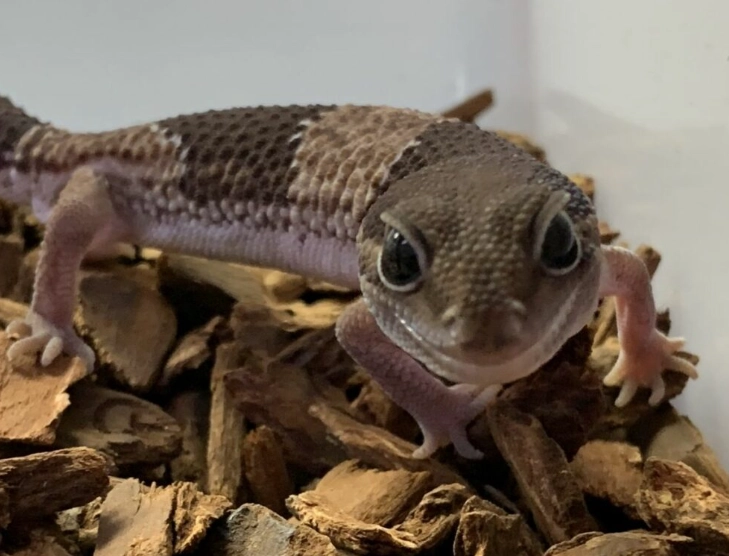
Watching that tail fill out can be one of the most rewarding parts of keeping geckos. It's a direct visual indicator of your care. Just remember, you're not just aiming for a fat tail—you're aiming for a healthy gecko with a fat tail. Knowing the difference is what separates a worried beginner from a confident, experienced keeper. When in doubt, trust your instincts and seek expert help. Your gecko's tail is talking; make sure you're listening to the right message.