
Travel Tips
Lorem ipsum dolor sit amet, consectetur adipiscing elit.
So you've stumbled upon a picture of this incredible creature with feathery gills and a pattern that looks like it was painted by nature itself. You're not alone. The Tiger Axolotl has this weird way of grabbing your attention and not letting go. Is it a salamander? Is it a fish? The answer is a bit of both and neither, and that's what makes them so fascinating. I remember the first time I saw one in person, it was at a local aquarium society meeting. This guy had a whole tank dedicated to them, and the tiger morph just stood out. It wasn't just white or pink; it had this character, this wild pattern that made the standard leucistic axolotl look a bit plain in comparison.
But here's the thing everyone wants to know right away: are Tiger Axolotls harder to care for? Are they some super rare, fragile variant? Let's cut through the hype. In my experience, their care is 95% identical to any other axolotl morph. That last 5%? It's mostly about understanding what you're actually looking at and managing expectations. This guide is going to walk you through everything, from what exactly a Tiger Axolotl is (and isn't), to setting up their home, keeping them healthy, and answering those burning questions you're too embarrassed to ask in a forum.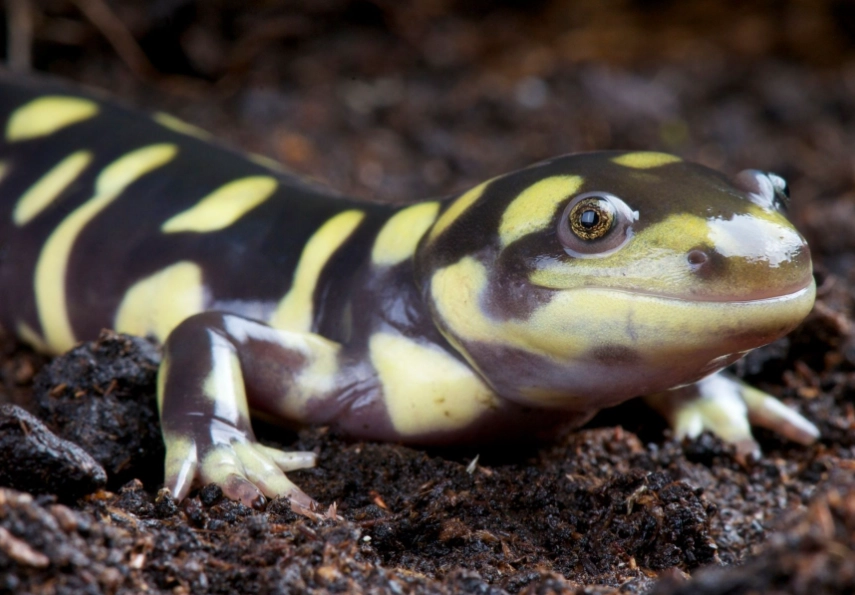
Let's get the biggest misconception out of the way. A "Tiger Axolotl" is not a separate species. It's a common name for a specific color and pattern morph of the good old Ambystoma mexicanum. The name comes from its dark, irregular stripes, spots, and blotches over a lighter background (often golden, olive, or grey), reminiscent of a tiger's pattern or, more accurately, a tiger salamander's.
And that's where the second big mix-up happens.
People often confuse them with actual tiger salamanders (Ambystoma tigrinum), which are a different, land-dwelling species. Axolotls are neotenic, meaning they keep their larval features (like those iconic external gills) for life and live permanently in water. Tiger salamanders metamorphose into terrestrial adults. A true "Tiger Axolotl" is an axolotl that simply displays a pattern similar to its distant cousin. It's all about the looks, not the genetics of a hybrid (which is extremely rare and not what you'll find for sale).
The pattern can vary wildly. Some have bold, connected stripes running down their back. Others have a more speckled or spotted appearance. I've seen some where the pattern is so dense they look almost black, and others where it's just a faint dusting. It's this uniqueness that draws people in. You're not just buying "an axolotl"; you're getting one with a fingerprint-like pattern.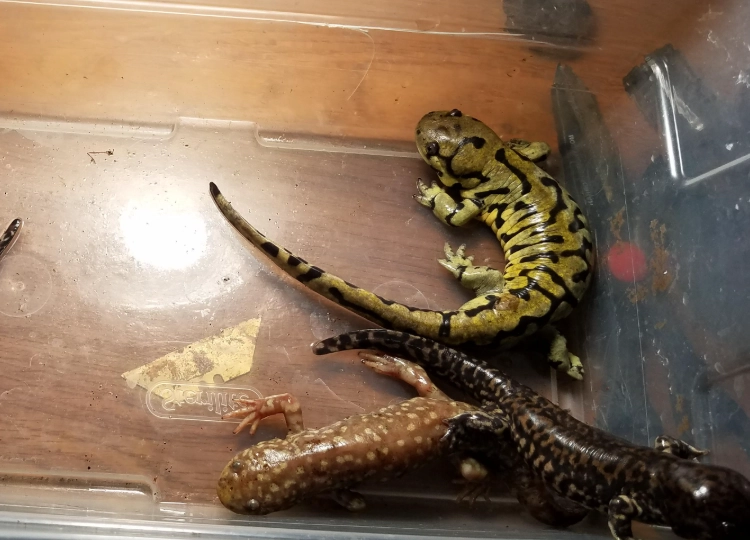
It helps to see where the tiger axolotl fits in. Here's a quick comparison to clear things up.
| Morph Name | Primary Color & Pattern | Eye Color | Notes |
|---|---|---|---|
| Wild Type | Dark greenish-black/brown with speckles | Dark | The natural coloration. |
| Leucistic (Lucy) | Pinkish-white with pink gills | Black | The most common pet type. No dark pigment on body. |
| Golden Albino | Light gold/yellow with pink gills | Pink/Red | Lacks dark pigment, has golden sheen. |
| Melanoid | Solid black, grey, or dark green | Black (no shiny ring) | Lacks shiny iridophore pigment, giving a flat dark color. |
| Tiger / Wild-Type Pattern | Lighter base (grey, olive, gold) with dark stripes/spots | Usually Dark | This is our star. It's essentially a higher-contrast, patterned expression of wild-type genes. |
See? It's not some alien creature. The tiger axolotl sits close to the wild type on the morph spectrum. Its care requirements are fundamentally the same. The pattern is just a beautiful roll of the genetic dice.
Alright, let's talk about the actual work. This is where most blogs just spit out a list. I'm going to tell you what you need, what you can skip, and where I've personally seen people (myself included, years ago) mess up.
Forget the tiny tanks sold in kits. An adult axolotl needs space. A single adult needs a minimum of a 20-gallon long tank (that's the key—more floor space, not height). For a tiger axolotl, or any axolotl really, 29 or 40 gallons is even better. More water volume means waste gets diluted more, and temperature stays stable—both critical for their health.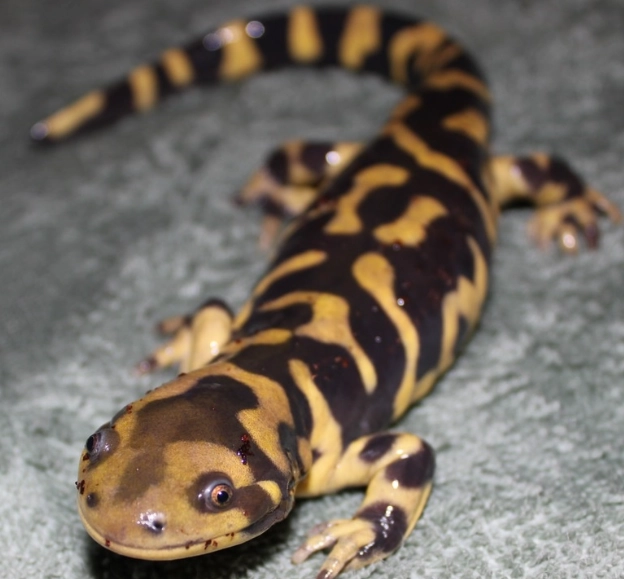
Now, the non-negotiables:
This is the boring, essential homework. Get a liquid test kit (API Freshwater Master Kit is the gold standard). Strips are notoriously inaccurate.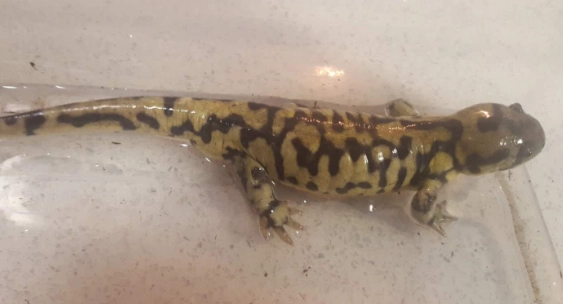
The magic numbers for your tiger axolotl are:
You must cycle your tank completely before bringing your axolotl home. This process of growing beneficial bacteria can take 4-8 weeks. Putting an axolotl in an uncycled tank is a guaranteed disaster.
They are carnivores. Their staple diet should be high-protein, soft foods.
Top Food Choices:
Feeding Schedule: Adults typically eat 2-3 times a week. Juveniles need daily feeding. A good rule of thumb is to offer as much as they can eat in 2-3 minutes, then remove any uneaten food to avoid polluting the water. I feed my crew every other day, alternating between worms and pellets.
Don't be surprised if your tiger axolotl is a messy eater. They snap at food, often grabbing a mouthful of sand or stirring up debris. It's normal, just siphon out the gunk afterwards.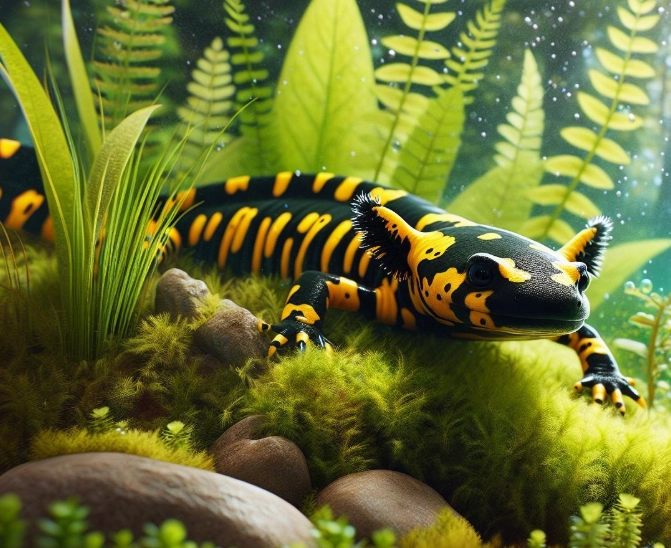
Even with perfect care, things can go wrong. The key is catching problems early. The tiger pattern can sometimes make it a bit trickier to spot certain issues, so you need to know your pet's normal look and behavior.
| Problem | Signs to Look For | Likely Cause & Action |
|---|---|---|
| Fungal Infection (like Saprolegnia) | White, cotton-like fluff on gills, skin, or wounds. | Poor water quality or injury. Improve water params immediately. Salt baths or tea baths can help mild cases. Severe cases need vet-prescribed antifungals. |
| Bacterial Infection (like Red Leg) | Red streaks or blotches on legs/body, lethargy, loss of appetite. | Poor water quality or stress. This is serious and often requires antibiotic treatment from an exotic vet. |
| Impaction | Loss of appetite, bloating, floating abnormally, no waste production. | Ingested substrate (gravel/sand). Fridge the axolotl (in dechlorinated water in a container in the fridge at 5-8°C) to slow metabolism and encourage passing. Vet visit often needed. |
| Gill Shrinking | Feathery gill filaments appear small or receded. | Poor water quality (high nitrates) or high water temperature. Check and correct all water parameters. |
| Stress | Curled tail tip, forward-curled gills, refusing food, frantic swimming. | Check water parameters first. Then consider tank mates, water flow, lighting, or lack of hides. |
A resource I trust for understanding amphibian health on a broader scale is the International Union for Conservation of Nature (IUCN). While they focus on wild populations, their reports highlight the environmental sensitivities that make our captive axolotls, including the striking tiger axolotl, so vulnerable to poor water conditions.
Q: My tiger axolotl's gills look smaller than pictures online. Is it sick?
A: Not necessarily. Gill size is influenced by genetics and, more importantly, water oxygen content. In pristine, cool, well-oxygenated water, axolotls sometimes have smaller gills because they don't need to work as hard to extract oxygen. Long, fluffy gills are often a sign of the axolotl adapting to less-than-ideal conditions (though they are beautiful). Focus on behavior and appetite over just gill size.
This is exciting, but don't rush. Avoid big chain pet stores. Their axolotls often come from mass breeders and can have health issues. Look for reputable breeders online (check reviews on forums) or at reptile/exotic animal expos.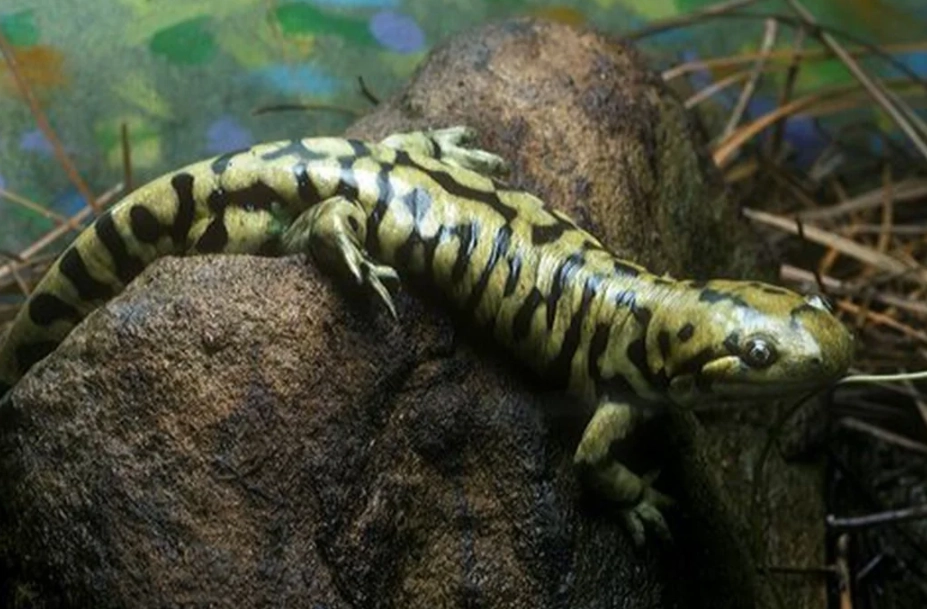
Signs of a Healthy Tiger Axolotl:
When you inquire, ask the breeder about the parents, what they've been fed, and the water parameters they're kept in. A good breeder will know this. Expect to pay more for a tiger axolotl with a particularly bold and clear pattern compared to a standard wild type.
For scientifically sound husbandry advice that goes beyond forums, the Axolotl.org website, while not a flashy commercial site, is a treasure trove of well-researched, community-vetted care information that aligns with best practices.
Q: Can tiger axolotls live with other fish?
A: Generally, no. Most fish will nip their gills. Axolotls will try to eat anything that fits in their mouth, and fish can carry parasites. The only semi-reliable tank mates are other axolotls of similar size and sex (same sex to avoid breeding) in a much larger tank. Even then, watch for aggression. I keep mine alone—it's simpler and safer.
Q: Do tiger axolotls change color?
A: Their pattern can intensify or fade slightly based on mood, health, and environment. A stressed axolotl might become paler. As they mature from a juvenile, the tiger pattern usually becomes more defined. They won't change from a tiger pattern to a solid color, though.
Q: How long do tiger axolotls live?
A: With excellent care, 10-15 years is common. There are reports of some living over 20 years. Getting a tiger axolotl is a long-term commitment, not a short-term novelty.
Q: Can I handle my tiger axolotl?
A: Minimally, and only when absolutely necessary (like for tank transfers). Their skin is delicate and absorbs chemicals from your hands (lotions, oils, soap residue). If you must, wet your hands thoroughly with dechlorinated water first and support its whole body. They are visual pets, not tactile ones.
One last critical point. The wild axolotl is critically endangered in its native habitat in Mexico. While the tiger axolotl and other morphs are bred in captivity, their existence highlights the importance of conservation. Supporting ethical captive breeding helps reduce pressure on wild populations. Organizations like Amphibian Ark work on conservation efforts for these incredible creatures.
So, is a tiger axolotl the right pet for you? If you're prepared for the meticulous water care, the need for a chiller, and a pet you mostly watch rather than cuddle, then yes. The reward is sharing your home with one of nature's most bizarre and beautiful permanent larvae. There's nothing quite like seeing that patterned face peek out from behind a pipe, those feathery gills waving gently in the cool, clean water you worked hard to provide. It's a unique slice of the natural world, right there in your living room.