
Travel Tips
Lorem ipsum dolor sit amet, consectetur adipiscing elit.
You've seen them a million times. In pet stores, swimming in little plastic containers with a palm tree. Maybe you even had one as a kid, won at a carnival. The red-eared slider turtle, with that distinctive red stripe behind its eye, is probably the most recognizable turtle in the world. And for decades, it's been the gateway reptile for countless first-time pet owners.
But here's the thing most people don't tell you when you're staring at that tiny, quarter-sized turtle in the store.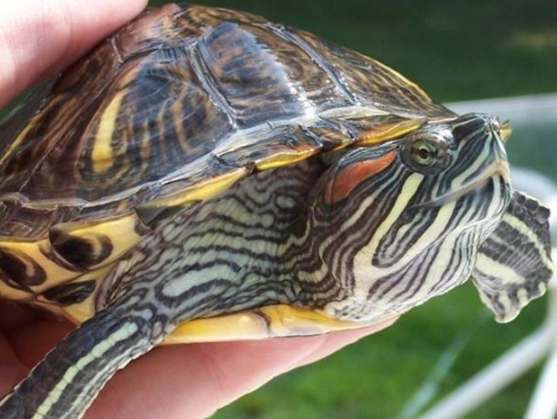
That cute little guy is a commitment longer than most dogs, and it's going to need a space bigger than your sofa.
I learned this the hard way. A friend of mine, let's call him Dave, got one on a whim. "How hard can it be? It's just a turtle!" Fast forward five years. Dave's "tiny" turtle now needs a 75-gallon tank, a powerful filter that sounds like a small waterfall, and a diet that's more involved than his own. He's not complaining—he loves the thing—but he was completely blindsided by the reality. His story is the story of millions of red-eared slider owners.
This guide isn't here to scare you off. It's here to give you the complete, unfiltered picture. We'll dive deep into what it really takes to care for a red-eared slider properly, explore why they live so incredibly long, and tackle the big, messy controversy that has made them illegal to own in some places. By the end, you'll know exactly what you're signing up for—or why you might want to admire them from afar.
Scientifically known as Trachemys scripta elegans, the red-eared slider is a semi-aquatic turtle native to the southern United States and northern Mexico. That "slider" name comes from their habit of quickly sliding off rocks and logs into the water when startled. They're a subspecies of pond slider, and their adaptability is both their greatest strength and, as we'll see, their biggest ecological problem.
They're not just green. Their olive-green carapace (top shell) is patterned with yellow streaks, and their skin is a network of green and yellow lines. But the real giveaway is that bold, red or orange-red stripe right behind each eye. No other common pet turtle has that exact mark.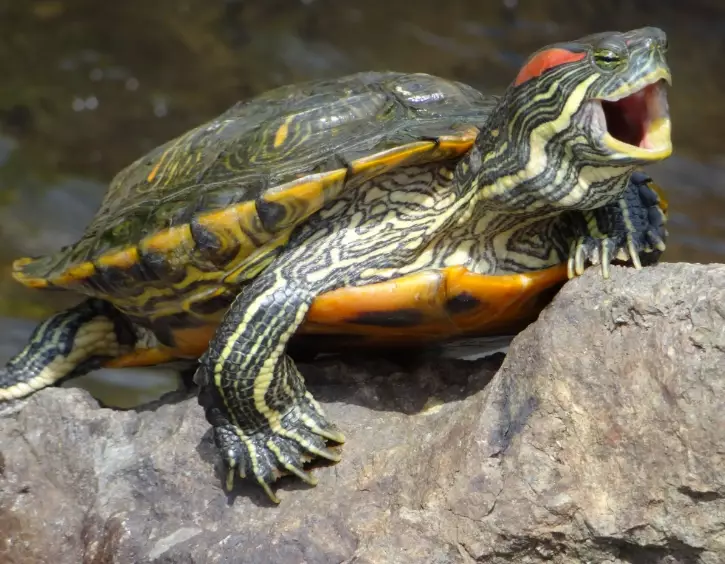
Fun (and telling) fact: Their popularity exploded in the late 1980s and 90s thanks to the Teenage Mutant Ninja Turtles. Every kid wanted a "real" turtle, and the pet industry happily supplied millions of baby red-ears. This craze is directly responsible for many of the invasive population problems we see today.
What's fascinating—and a bit daunting—is their growth. That adorable 2-inch baby? It's not a mini version of the adult. It's a hatchling. A mature female red-eared slider can easily reach 10 to 12 inches in shell length. Males stay smaller, usually capping out around 8 inches. But "inches" don't do it justice. A full-grown red-eared slider has a substantial, powerful presence. They're not desk ornaments; they're aquatic companions that require a correspondingly substantial home.
Okay, let's get into the nitty-gritty. Caring for a red-eared slider is a marathon, not a sprint. It's about creating a stable, healthy ecosystem. Cut corners, and you'll end up with a sick turtle, a stinky tank, and a lot of regret.
The single biggest mistake is undersizing the tank. That 10-gallon starter kit is a lie for anything beyond the first few months. These turtles are active swimmers and need space to move.
The Minimum Rule: 10 gallons of water per inch of turtle shell length. And that's for one turtle. So, for a single 10-inch adult female, you're looking at a 100-gallon aquarium minimum. Most experienced keepers will tell you to go bigger if you can. I've seen happy turtles in 125-gallon and even 150-gallon stock tanks. It sounds huge, but it's what they need.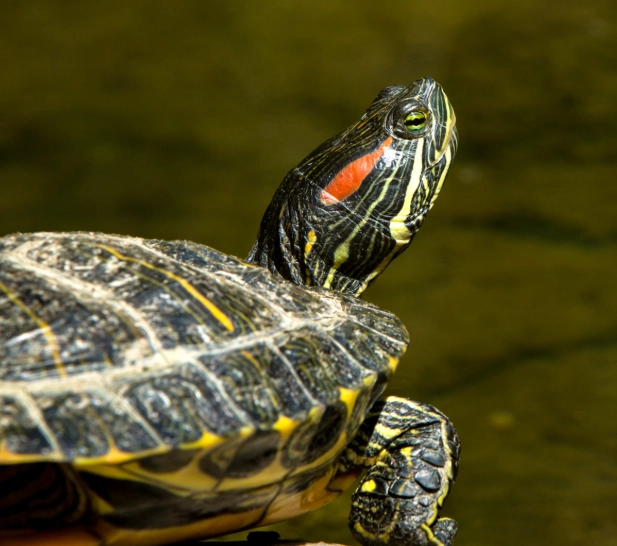
The setup isn't just water. It's a complete environment:
See what I mean? It's an engineering project.
Another huge misconception. While adult red-eared sliders are more herbivorous, they are omnivores throughout their lives. Juveniles are voracious carnivores.
A balanced diet is key to preventing shell deformities and organ problems. Here’s a simple breakdown of what to feed and when:
| Turtle Life Stage | Protein Focus | Plant Matter Focus | Feeding Frequency |
|---|---|---|---|
| Hatchling & Juvenile (Under 2 years) |
High (70-80%). Commercial turtle pellets, small feeder fish (ghost shrimp, guppies), worms, insects. | Low (20-30%). Offer leafy greens (romaine, dandelion) but they may ignore it. | Daily |
| Sub-Adult (2-5 years) |
Moderate (50%). High-quality pellets remain staple. Protein treats 1-2x/week. | Increasing (50%). Must regularly offer dark leafy greens, chopped vegetables. | Every other day |
| Adult (5+ years) |
Low (20-30%). Protein mainly from pellets, occasional treat. | High (70-80%). Diet should be mostly leafy greens (avoid iceberg lettuce—it's junk food), aquatic plants, vegetables. | 2-3 times per week |
Pro Tip: Variety is the spice of life! Rotate through safe greens like turnip greens, mustard greens, and endive. For protein, try offering a thawed, pre-killed pinky mouse (for large adults) or a snail as an occasional enrichment treat. It's good for their beak and mimics natural behavior.
This is the number that shocks most people. With proper care, a red-eared slider's lifespan is 20 to 40 years. There are documented cases of them living over 50 years in captivity. Let that sink in. Getting a red-eared slider is a potential life-long commitment. It might outlive your career, your car, and even your marriage.
Their long life means you need to watch for long-term health issues:
The best medicine is prevention: pristine water, proper heating and UVB, and a varied, age-appropriate diet. Find a vet who specializes in exotics or reptiles before you have an emergency. Your regular dog-and-cat vet likely won't have a clue.
You can learn more about recognizing signs of illness in reptiles from authoritative sources like the Association of Reptilian and Amphibian Veterinarians (ARAV), which provides resources for finding qualified care.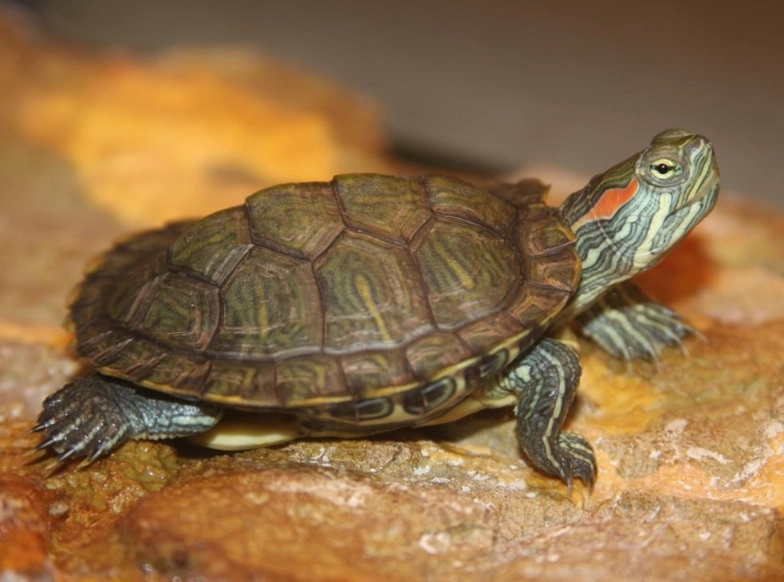
Now we get to the controversial part. This isn't about bad pet care; it's about what happens when pet care ends.
The red-eared slider is listed as one of the world's 100 worst invasive alien species by the IUCN. How did a pet turtle achieve such a dubious honor? Simple: people release them into the wild. They get too big, too expensive, or the owner simply gets tired of the commitment. Thinking they're "setting it free," they let it go in a local pond, lake, or river.
This is an ecological disaster. The red-eared slider is incredibly hardy, adaptable, and aggressive. In non-native habitats across the US (like the Pacific Northwest), Europe, and Asia, they outcompete native turtle species for food, basking spots, and nesting sites. They have few natural predators in these new areas, so their populations explode.
It is illegal, harmful, and cruel to release a pet red-eared slider (or any non-native animal) into the wild. It almost certainly condemns the turtle to a slow death from starvation, predation, or disease it has no immunity to. If it survives, it damages the local ecosystem. It's a lose-lose.
Because of this, many jurisdictions have strict laws. In the European Union, it's illegal to import, sell, or breed them. In the US, states like Oregon and Washington prohibit them. Even in places where they're legal, releasing them is a crime.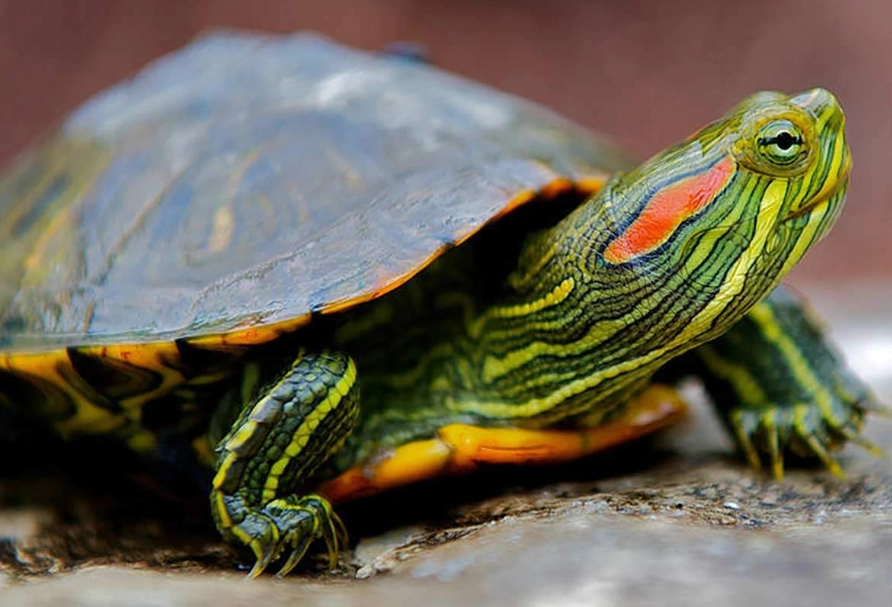
The scale of the problem is well-documented. The U.S. Geological Survey maintains a nonindigenous aquatic species database that tracks the spread of red-eared sliders across the country, showing just how pervasive they've become outside their native range.
So what do you do if you can no longer care for your turtle?
This responsibility is part of the package from day one.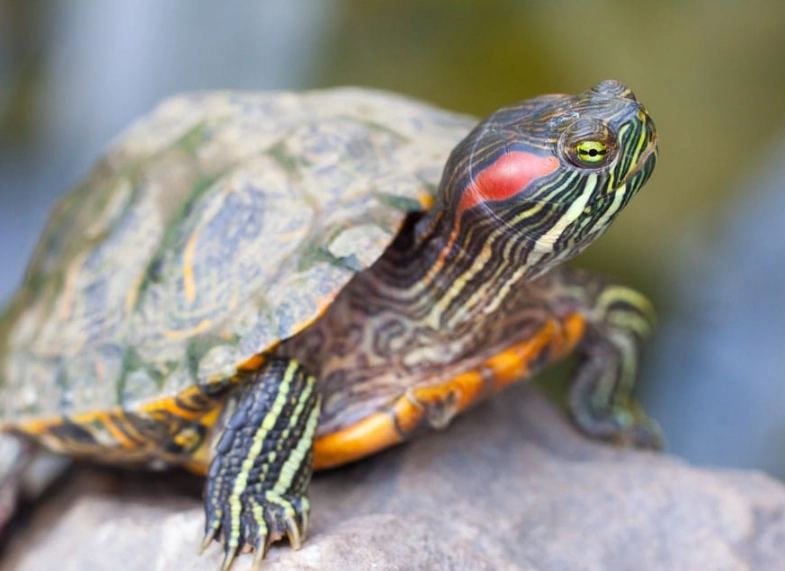
Let's tackle some of the specific questions that keep popping up in forums and searches. This is the stuff you really want to know.
Absolutely, and in many climates, it's fantastic for them! They get natural sunlight and more space. But it's not just digging a hole. The pond must be secure (lined, with filtered and circulated water), have a deep area that won't freeze solid in winter (or you need to bring them inside), and have protection from predators like raccoons, herons, and even cats. A well-built outdoor habitat is the gold standard for adult slider care, but it requires significant setup and planning. The U.S. Fish and Wildlife Service has general guidelines on constructing wildlife-friendly ponds that can be adapted with secure fencing for contained non-native species like pet turtles.
They tolerate handling at best. They are not cuddly pets. Excessive handling causes them stress. However, many do learn to recognize their keeper, especially as the source of food! They might swim excitedly to the front of the tank when you approach. Some can even be target-trained. But affection, in the mammalian sense? Don't count on it. The relationship is more about respectful stewardship than companionship.
Constant glass-climbing or frantic pacing is usually a sign of stress. The most common causes? An enclosure that's too small, lack of proper hiding spots, or poor water quality. Check your tank size first—it's almost always the culprit. They need visual barriers, like plants (real or silk) or decorations, to break up the line of sight and make them feel secure.
You can, but you must be cautious. They are not social animals. Cohabitation often leads to bullying, especially if the tank is too small or there's competition for basking spots. If you keep multiple turtles, you need a much larger tank (think double the minimum volume), multiple basking areas, and you must be vigilant for signs of aggression like biting, chasing, or one turtle dominating the basking spot. Many experienced keepers recommend keeping them singly to avoid problems entirely.
Let's be brutally honest, because pet stores won't be. The initial setup for an adult-sized habitat (tank, stand, powerful canister filter, heaters, high-quality UVB and heat lighting, basking dock, substrate, water conditioner) can easily run from $800 to $1,500 or more if you buy new. Ongoing costs include:
It's a significant financial commitment over decades.
It's a complicated question. The red-eared slider is a fascinating, beautiful, and long-lived animal. It can be a deeply rewarding pet for the right person—someone who sees the joy in creating a mini-ecosystem and appreciates observing natural behaviors.
But they are, in my opinion, one of the most misunderstood and mistreated pets in the world. The disconnect between their cute baby image and the demanding reality of their care leads to a lot of suffering for the turtles and frustration for owners.
So here's my take. Consider a red-eared slider if:
Maybe reconsider if:
There's no shame in deciding it's not for you.
If you do take the plunge, do it right. Start with a large tank from the get-go, invest in the best filter and UVB lighting you can afford, and commit to a proper diet. Your red-eared slider will repay you with decades of interesting behaviors and a quiet, ancient kind of beauty. And if you choose not to, you can still appreciate these remarkable survivors—preferably in their native habitats or in the well-maintained enclosures of dedicated keepers who truly understand what it takes.
The story of the red-eared slider is a story about us—our desire to connect with nature, our sometimes impulsive choices, and our profound responsibility for the creatures we bring into our lives. Choose wisely.